

Our strategy
and performance
Innovating towards safety
Innovating towards safety
Technology innovation amplifies every aspect of our mission. Each innovation compounds – better data leads to better programmes and campaigns, which save more lives and attract more supporters, driving a continuous cycle of improvement and impact.

How we create and preserve value
Our collective knowledge, systems, technology and institutional learning enhance the NSRI's operational effectiveness. This enables us to drive innovation to create a water-safe nation using new approaches, technologies and programmes that improve prevention, response and awareness.
As a strategic priority, we are investing in capability, technology and modernising our systems by:
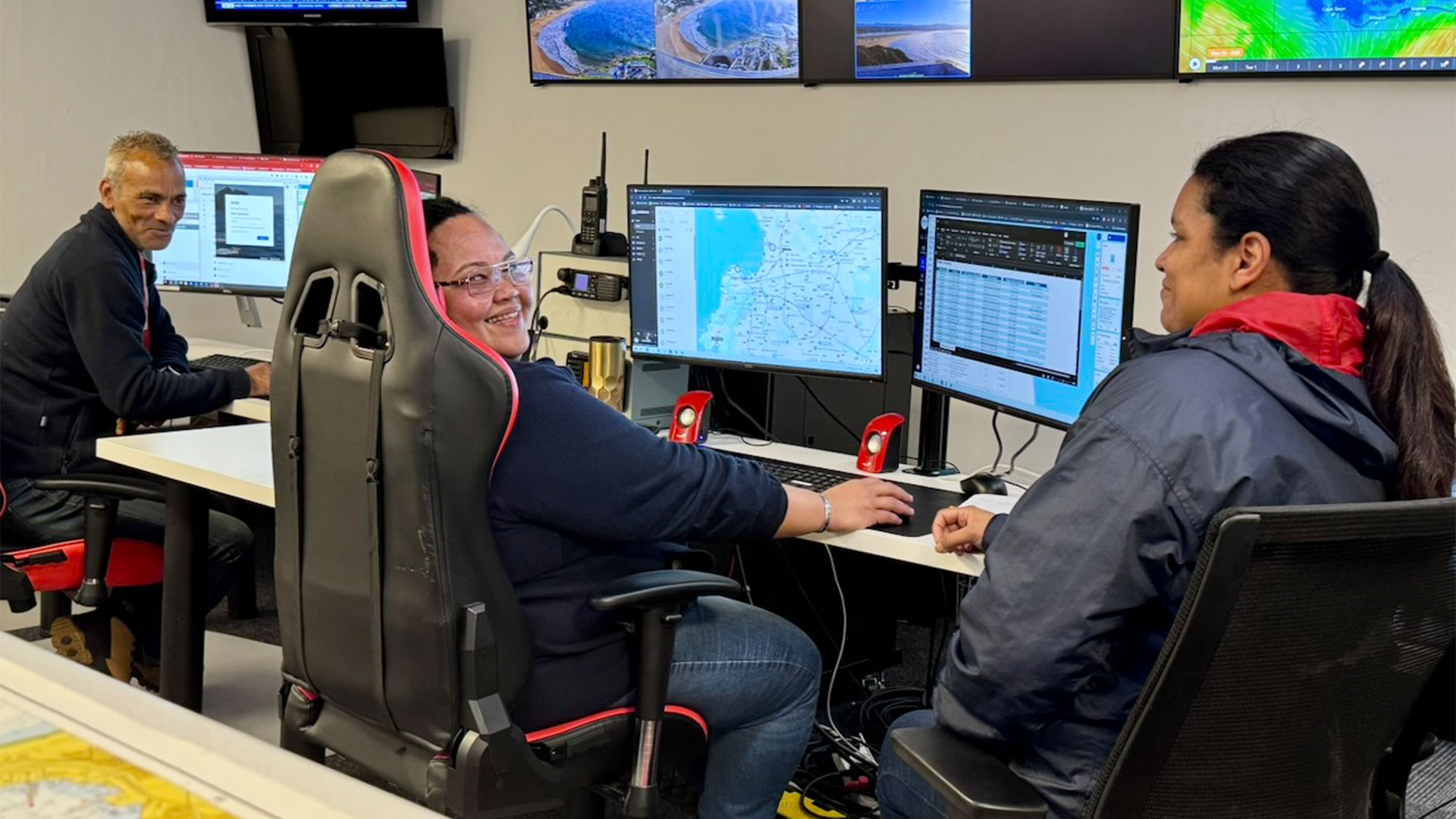
- Strengthening digital infrastructure and processes, including the EOC and a suite of rescue communication systems.
- Leveraging technology and partnerships to drive efficiency and data-driven decision-making.
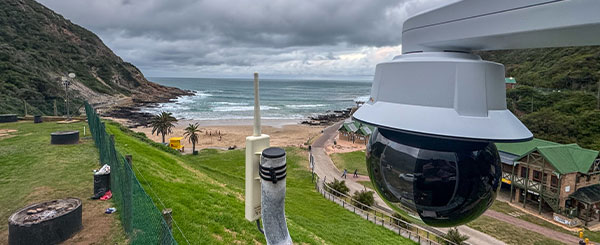
- Building on existing initiatives like the NSRI volunteer portal, SafeTRX, the lifeguarding model, Survival Swimming Centres, PRBs, beach safety cameras, equipment, vessels and training platforms.

Our innovation towards safety is supported by our community programmes, including BravoBravo, the beach safety camera series and educational material.
| Value created and preserved over time | |||||
| Key metrics tracking our performance | 2025 | 2024 | 2023 | ||
| SafeTRX subscriptions | 26 055 | 22 845 | 20 129 | ||
| ICT spend as a percentage of revenue, excluding capital (within international benchmarks of 3% to 5%) | R10 765 789 (4.9%) | R8 854 329 (4.4%) | * |
* No comparative information is available for 2023 due to the change in financial reporting processes.
Combining fundraising, marketing and operational information to provide a clear, up-to-date view of our work and performance.
Co-hosted a national stakeholder workshop to advance the need for a reliable drowning data system to inform prevention, research and policy.
- Cybersecurity threats remain a critical concern, flagged as a top 10 risk.
- Legacy systems in some areas reduce efficiency and increase training complexity.
- Potential over-reliance on goodwill and institutional memory not always codified.
- Talent loss risk due to retirements or insufficient documentation of key knowledge.
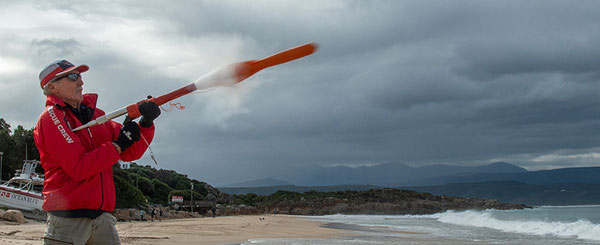
See our equipment in action

- Replace the SafeTRX platform with a custom-built NSRI app to enhance public engagement and donor loyalty through beach and coastal safety tools.
- Develop the marketing campaign automation platform to enable data-driven, personalised engagement with donors and volunteers, improving retention and conversion.
- Redesign fundraising list and lead management processes to create dynamic calling lists and improve donor engagement, contact centre efficiency and conversion.
- Strengthen cybersecurity capability to detect, prevent and respond to cyber threats, and protect sensitive donor, volunteer and organisational data.
- Develop advanced retail analytics to improve business insight, stock management and sales performance across channels, completing the final phase of retail modernisation.
- Re-engineer the credit card payments process to support regulatory compliance, payment governance and more efficient fundraising administration.
- Bring e-learning capability in-house to improve the accessibility, scalability and consistency of volunteer and staff training, with access to blended learning across regions.
- Develop a community programmes app to improve data capture, reporting and activity coordination, while supporting donor reporting and funder outcomes.
- Continue modernising operational asset management systems to improve accountability, lifecycle management and maintenance tracking for rescue craft, vehicles and equipment.
- Streamline workflows and strengthen data-driven management through focused finance and human resource system enhancements, integrating back-office processes and improving operational efficiency.

CASE STUDY
Innovating towards safety:
Strengthening response through technology and coordination
Technology-enabled rescue
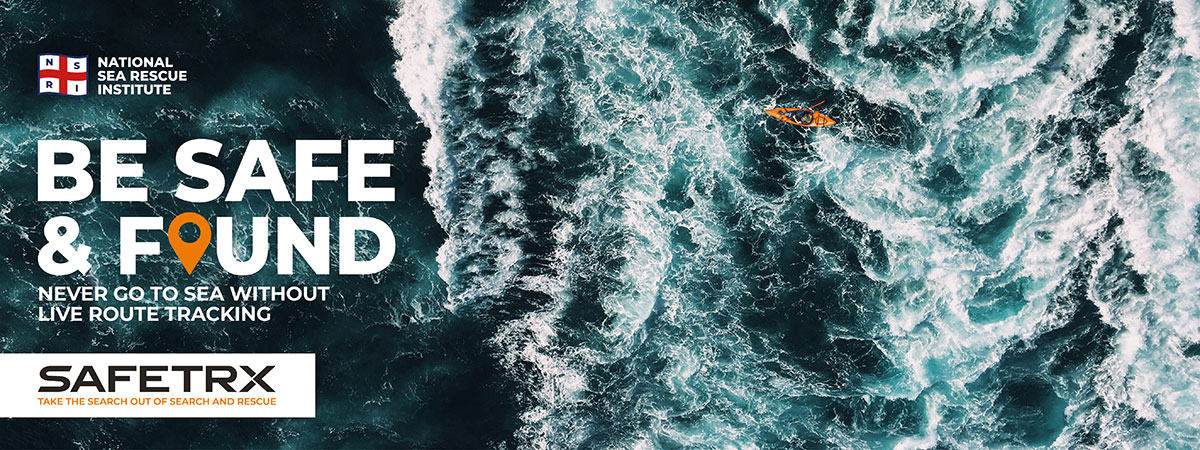
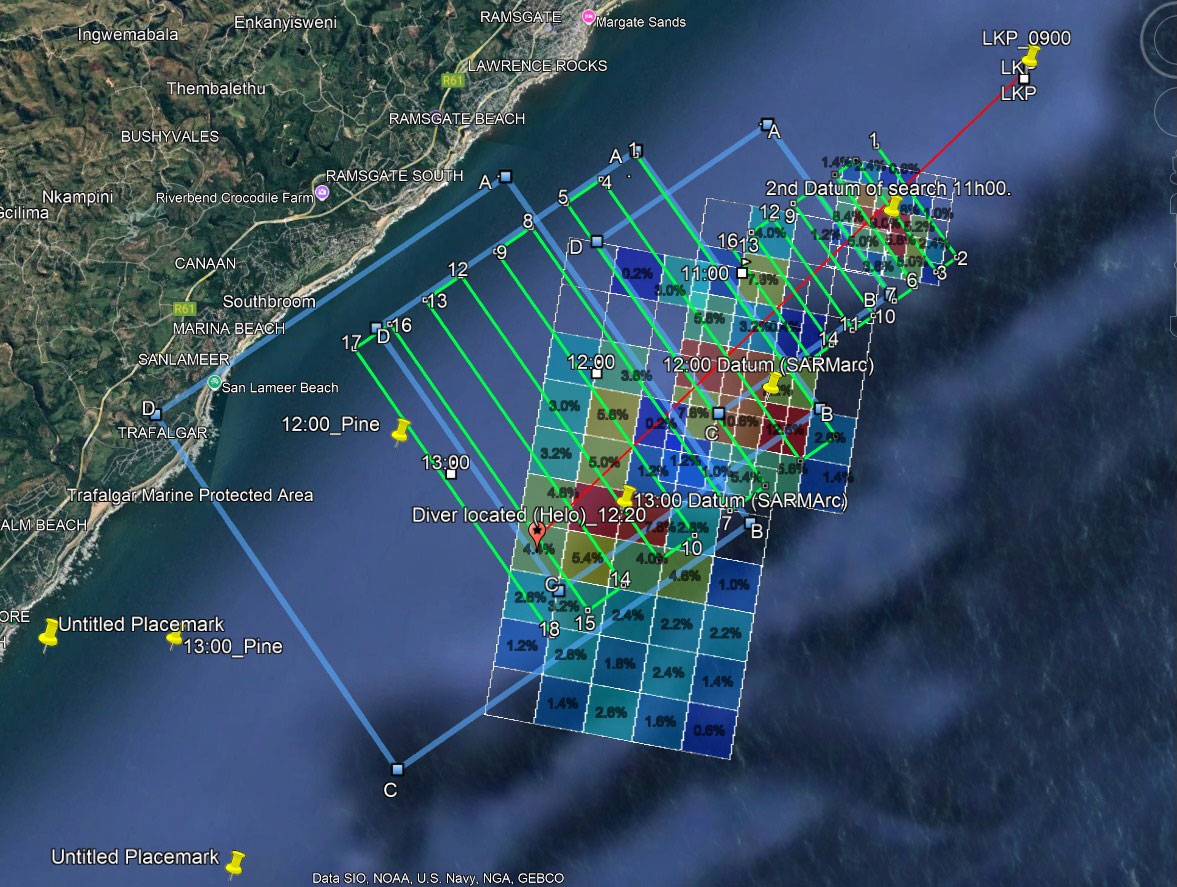
The SafeTRX location tracking app processed 22 402 tracked trips and 276 alerts in 2025 with cumulative registered users now exceeding 26 000. The technology proved its worth in multiple real-world rescues, including the recovery of two hypothermic surf-ski paddlers in False Bay located precisely through SafeTRX.
Search tools, SARMarc and SearchWell, were distributed to additional stations while automatic identification system drift buoy deployments reached seven Class 3 station groups, enhancing search pattern accuracy.
Information and communications technology
We continually and actively ensure all stations have the best communications available at their locations. This technology is deployed to assist volunteers and support our fundraising centre and control functions.
We are particularly proud of the volunteer portal, which significantly improves and simplifies volunteer interactions with sea rescue systems. It delivers a completely digitised volunteer onboarding process, digital expense claims system, direct access to relevant data and enables single sign on across multiple systems.
Automated systems across NSRI functions provide efficient financial controls, data analytics and the foundation for advanced systems into the future. This includes ongoing improvements to our customer relationship management system supporting our fundraising model.
Data-driven decision-making
The NSRI uses data to ensure our drowning prevention work reaches the people who need it most and that donor support delivers real, measurable impact. By analysing where, how and why drowning incidents happen across South Africa, we can better understand risk and focus our programmes on the communities, water environments and times of year where danger is highest. This evidence-based approach helps us plan smarter prevention activities, strengthen advocacy and use limited resources effectively. We also work closely with other organisations involved in water safety and drowning prevention, sharing information and learning together so that our collective efforts have a greater impact.
The NSRI has invested in a modern data system that brings together fundraising, marketing and operational information in one place. This gives us a clear, up-to-date view of our work and performance, improving accountability and transparency of our reporting for our donors and partners. The new system supports organisation-wide reporting, enabling clearer communication about how funds are used and what they achieve. It also allows more personalised donor communication and more efficient fundraising by improving how call centre teams manage leads and outreach.
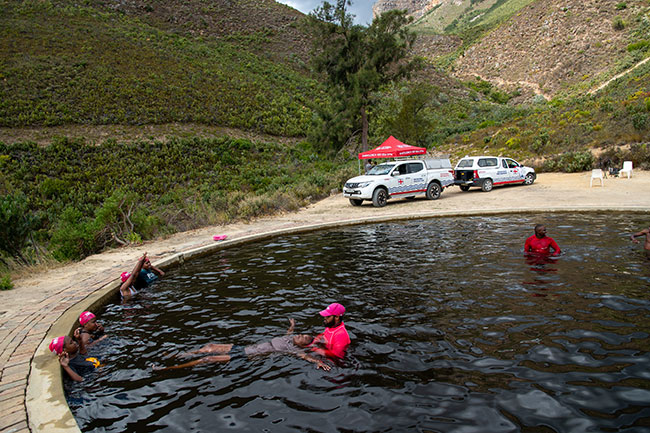
We also co-hosted a workshop with Stellenbosch University, which resulted in an agreement between the South African Police Service, Forensic Pathology Services, the University of Cape Town, the City of Cape Town, Western Cape Disaster Risk Management and the Department of Agriculture to establish a national drowning data system with evidence-based prevention.
By strengthening how we collect and use information, the NSRI ensures that decisions are based on reliable facts, that donor support is used wisely, and that our work continues to save lives where it matters most.
The fundraising and marketing function's performance marketing has developed into a proven, scalable growth platform that fundamentally changed the NSRI's donor acquisition model through:
A new analytical framework mapping the full donor lifecycle from first touch to recurring gift, enabling data-driven campaign optimisation.
Scientifically allocating leads between monthly giving and Cars4Good to maximise conversion efficiency.
Progressive implementation throughout the year, starting with call centre list re-engineering and lead allocation process automation.