Where enduring safety and urgent action meet
We are a donor and sponsor-funded organisation that strives to minimise drowning incidents and ensure the safety of all South Africans on and around water. Our volunteers are on call 24/7 nationwide, and we constantly evolve, innovate and expand our water safety and emergency response initiatives to reach more people. Through these efforts, our impact spreads exponentially.
Each decision today protects every person's future
Our approach to delivering value focuses on creating a water-safe nation, being a responsible steward of the environment, ensuring the safety and well-being of our employees and volunteers, and maintaining the trust of our donors and sponsors. We are guided by our strategy, which prioritises long-term impact to effect tangible change in society.
Understanding the realities that shape the risks we face
The operating environment affects our ability to create and preserve value, while posing risks to our organisation. At the same time, the changing landscape presents opportunities to achieve greater impact. Within this context, we must balance effective risk management with delivery against our strategy to ensure our resilience.
Being responsible for keeping communities safe
Effective governance enables us to act on our purpose and mission in a way that is transparent and builds trust. We embrace strong governance principles in everything we do, recognising that a responsible organisation is better equipped to create enduring change.
Upholding financial resilience to enable impact
Our financial resilience directly impacts our ability to fund operations, rescue services and deliver community-based drowning prevention programmes. We implement strict financial oversight and cost management strategies while maintaining our funding sources through proactive stakeholder engagement.
Honouring the people who keep our waters safe
We recognise the vital role of our volunteers and other courageous people with awards every year. The NSRI also receives awards from other organisations in recognition of our impact in saving lives, changing lives and creating futures.



Our material matters
Our material matters
Our material matters
Material matters are issues with the greatest influence on our work. We identify and address these matters by listening to our stakeholders, reflecting on external factors that affect our operations and acting accordingly.
Determining materiality
The process we followed this year included:

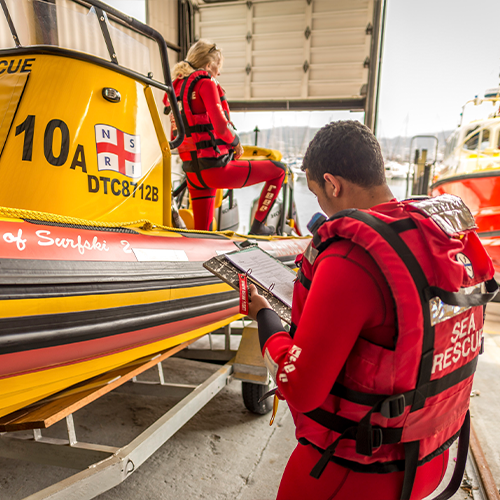
Internal stakeholders are involved in evaluating material matters, including the Board, volunteers and station commanders, in consultations and conferences with other key stakeholders.
Stakeholder insights contribute to our comprehensive understanding of material matters and guide our strategic decision-making processes.
Our strategy reflects actions taken to achieve stakeholders’ goals.
We grouped identified material matters under the following nine themes this year:
 1
Financial sustainability and diversification
1
Financial sustainability and diversification
- Diversification of funding.
- Complexity of fundraising model and dependency on ICT.
- Financial resilience in an uncertain economic environment.
- Rising operational costs and high continuous capital demands.
Financial sustainability is crucial in a constrained economic environment, where we must balance rising operational costs with available funding. Long-term financial sustainability requires protection and growth of our diversified and complex funding model, prudent cost management and efficient allocation of resources.
We invest our income in physical assets, employees and volunteers; in innovations that enhance our operational effectiveness; and in relationships with stakeholders who contribute to and benefit from our activities.
We sustain our income from donors, partners and fundraising initiatives through ongoing stakeholder engagements, strict financial oversight and careful cost management.
- Equipment, vehicle and vessel maintenance failure.
- Geopolitical instability
- Cyberattack and loss of ICT capacity.
- Confidentiality and data breach.
- Brand reputation and public perception.



2
Volunteer and workforce sustainability
- Volunteer and employee recruitment, retention and well‑being.
- Accommodating cultural and socio-economic diversity across our volunteer base.
- Safety, security and risk exposure of volunteers.
- Skills availability, training and leadership pipeline.
- Expansion of community programme volunteers.
Our ability to deliver impact depends on committed and skilled volunteers and employees. A strong volunteer and workforce base supports operational effectiveness and ensures the sustainability of our rescue services.
We aim to position the NSRI as an employer of choice and a reputable brand.
We actively promote an inclusive and purpose‑driven culture while ensuring our employees and volunteers have the skills, experience, motivation and well‑being needed to deliver far‑reaching services by providing structured recruitment, training and holistic support systems.
- Volunteer recruitment and retention.
- Increased maritime traffic around South African coastline.
- Volunteer and employee safety and injury.
- Psychological impact on volunteers and employees.


3
Societal impact of drowning
- Low swimming ability among South Africans.
- Drowning as an under‑recognised but highly preventable public health issue.
- Driving behaviour change through advocacy, water safety education and survival swimming.
- Leveraging water safety to create livelihoods and impact around water (a water-based economy).
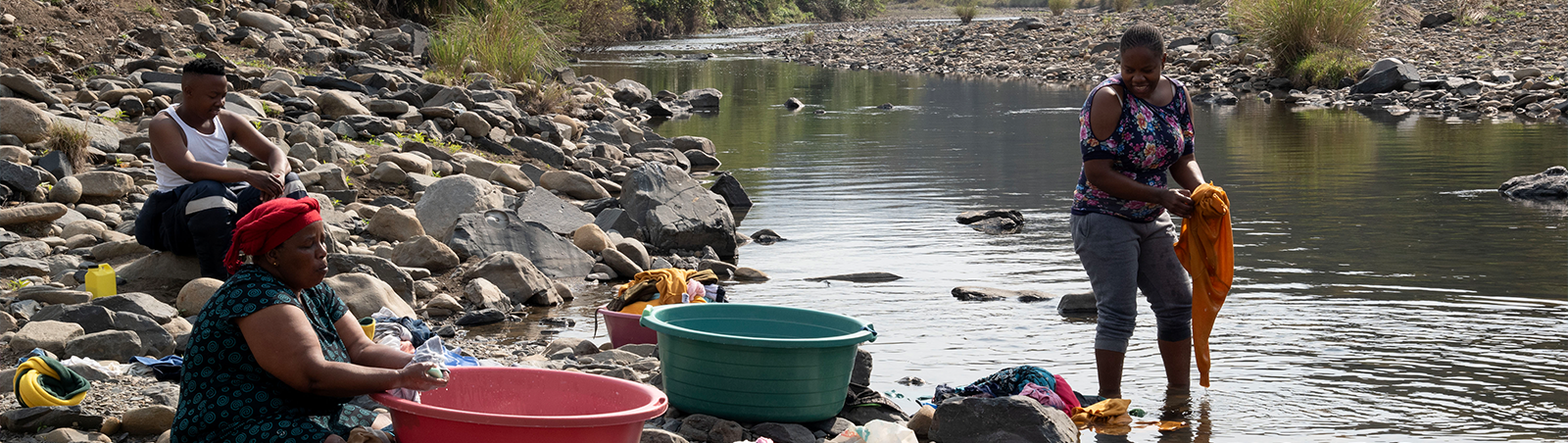
Drowning remains a significant but under-recognised public health challenge in South Africa, driven in part by low swimming ability.
Promoting behaviour change is key to enhancing water safety and contributes to building a water‑based economy that supports livelihoods, industry and recreation. We invest in the people, innovations and educational initiatives that enable the NSRI to deliver lifesaving services and create a water-safe nation.
Maintaining strategic stakeholder relationships enables us to continuously expand our reach and strengthen water safety and rescue efforts while building the socio-economic infrastructure needed by the communities we serve.
- Volunteer recruitment and retention.

4
Scale and complexity of national footprint
- Capacity to meet growing and evolving demand for services nationally.
- Supporting a geographically dispersed and operationally complex footprint.
- Maintaining reliable infrastructure, vessels, vehicles, resources and equipment.
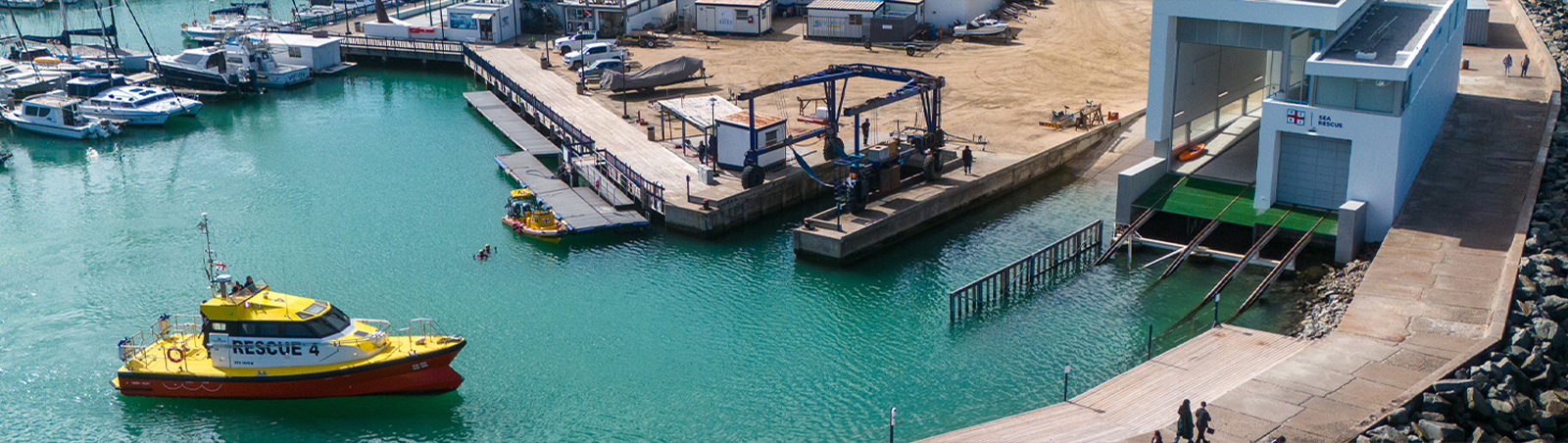
To respond effectively to emergencies across South Africa, we must meet growing and evolving demand within a geographically dispersed and complex operational footprint, enabled by well‑maintained assets.
NSRI’s national footprint is supported by a decentralised leadership model, with station commanders carrying operational responsibility for their areas. National training, assessment and governance structures ensure consistent standards, readiness and safety across all stations.
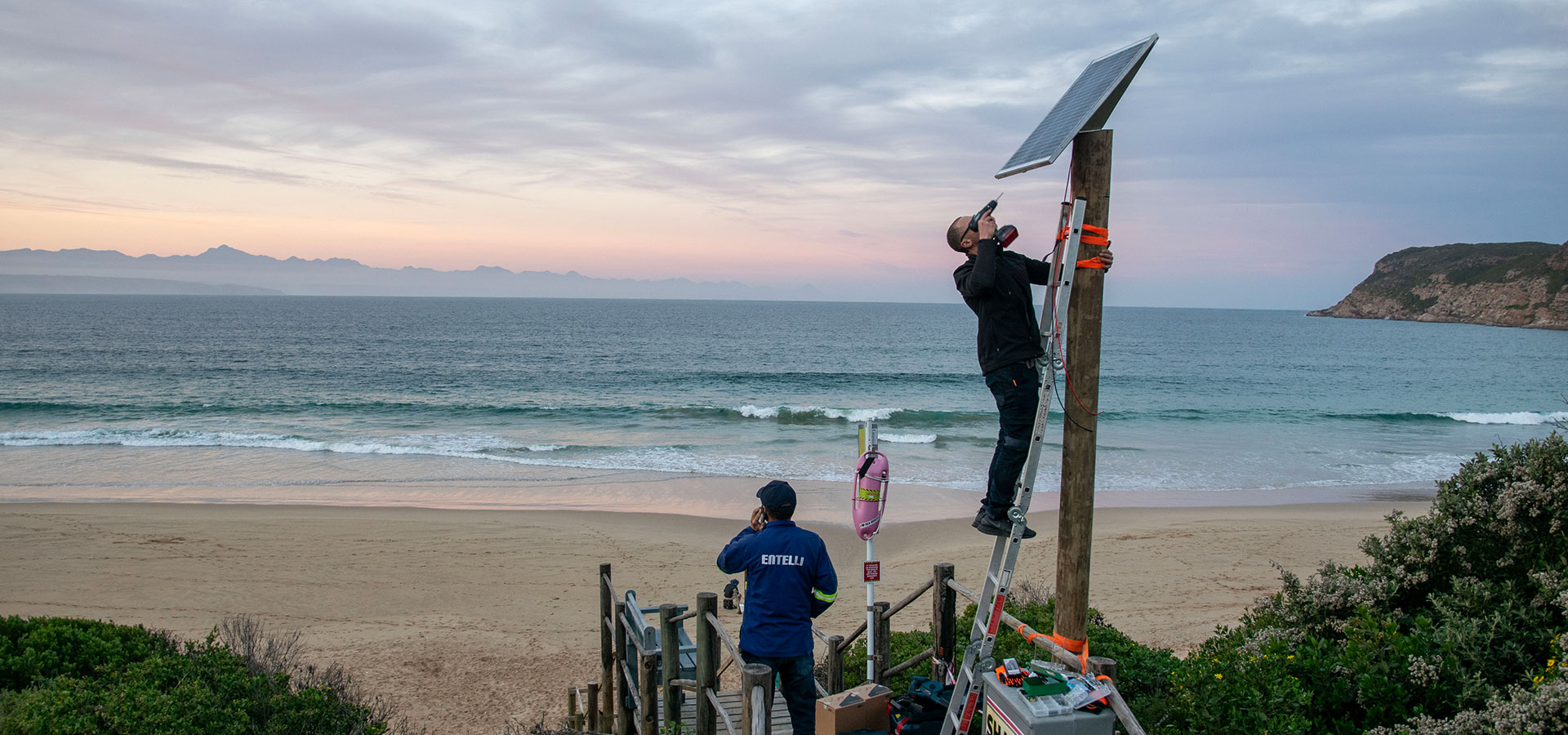
We apply advanced knowledge and technology in ongoing fleet and rescue station renewal, maintenance and upgrades, including energy-efficient installations and other sustainability-focused interventions, to enhance operational effectiveness.
- Equipment, vehicle and vessel maintenance failure.
- Increased maritime traffic around South African coastline.
- Limited or disrupted operational communications.
- Volunteer recruitment and retention.

5
Technological developments
- Leveraging technology, including AI, to enhance rescue capability, organisational efficiency and stakeholder engagement.
- Ensuring reliable communication across remote and offshore operations
- Managing cybersecurity risks and protecting sensitive information.
The pace of new technologies, including AI, provides operational efficiencies and opportunities to enhance and protect our capabilities while also introducing challenges and risks that must be carefully managed.
Our ICT capacity enables the NSRI to address unique operational needs and reliably serve the communities that rely on our lifesaving services.
We invest in fit-for-purpose IT systems and infrastructure that provide the capabilities needed to deliver technologically advanced, data-driven solutions and exemplary governance without compromising our valuable stakeholder relationships.
- Cyberattack and loss of ICT capacity.
- Confidentiality and data breach.
- Limited or disrupted operational communications.

6
Governance, ethics and risk oversight
- Maintaining robust governance, compliance and ethical standards.
- Effective risk identification, management and oversight.
Strong governance, ethical leadership and effective risk management are fundamental to maintaining donor confidence and public trust, ensuring transparency, accountability and responsible stewardship.
Our Board and subcommittees provide strategic oversight and ethical leadership, aligned with international governance best practice, by applying their skills, experience and continuous professional development in strategic decision-making.
- Confidentiality and data breach.
- Brand reputation and public perception.

7
Brand integrity and stakeholder trust
- Enhancing brand relevance and visibility.
- Strengthening stakeholder relationships and partnerships through transparency and accountability to maintain public trust.
Continued investment in our brand and reputation is critical to ensure strong stakeholder relationships and public trust.
We invest in marketing and communication activities through multiple channels and formats to continuously reach a wide range of constituents. We position the relevance of our work and brand through transparent reporting and storytelling to share our impact and success. IT enablement allows us to build engagement and strengthen experience with our brand.
- Confidentiality and data breach.
- Brand reputation and public perception.

8
Environmental stewardship and climate resilience
- Increasing frequency and severity of extreme weather events, together with environmental degradation, impacts water safety and operational conditions and requires adaptive and resilient operations.
- Strengthening our role as environmental stewards, taking action and promoting awareness of water safety and broader sustainability risks.
Climate change and environmental degradation are increasing public water safety and operational risks, requiring adaptive and resilient operations, while also reinforcing our environmental stewardship responsibility.
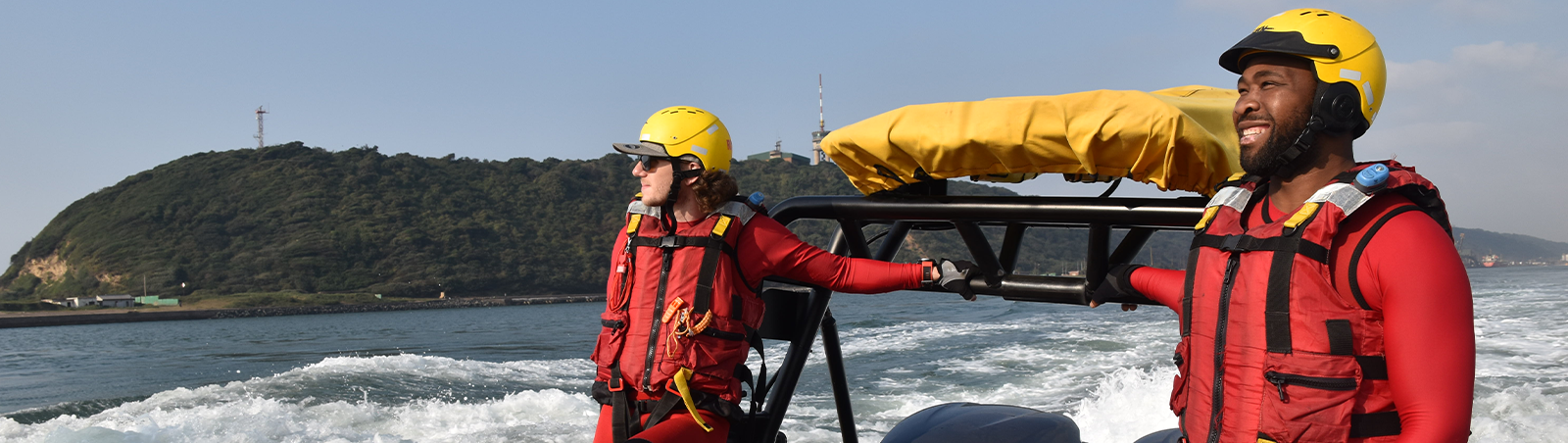
The NSRI invests in flood and swiftwater rescue crew training and response preparedness infrastructure, including weather monitoring systems, while promoting public awareness through visible ecosystem conservation and collaborative interventions with global organisations.
Additionally, our buildings include installations that conserve energy and water, and our fleet includes low-emission equipment.
- Brand reputation and public perception.
- Volunteer and employee safety and injury.
- Psychological impact on volunteers and employees.
- Limited or disrupted operational communications.


9
Constrained socio-economic and operating environment
- Unemployment and poverty place pressure on our volunteer model.
- Challenges of national policy and infrastructure framework.
- Variable levels of engagement with government and state-owned entities.
Multiple socio-economic challenges affect our ability to create impact and reinforce the importance of our stakeholders’ support.
Strong governance and partnerships keep the NSRI well positioned to navigate political, socio-economic and operational challenges.
- Geopolitical instability.
- Volunteer recruitment and retention.