


Contributing to the
United Nations Sustainable Development Goals
Contributing to the United Nations Sustainable Development Goals
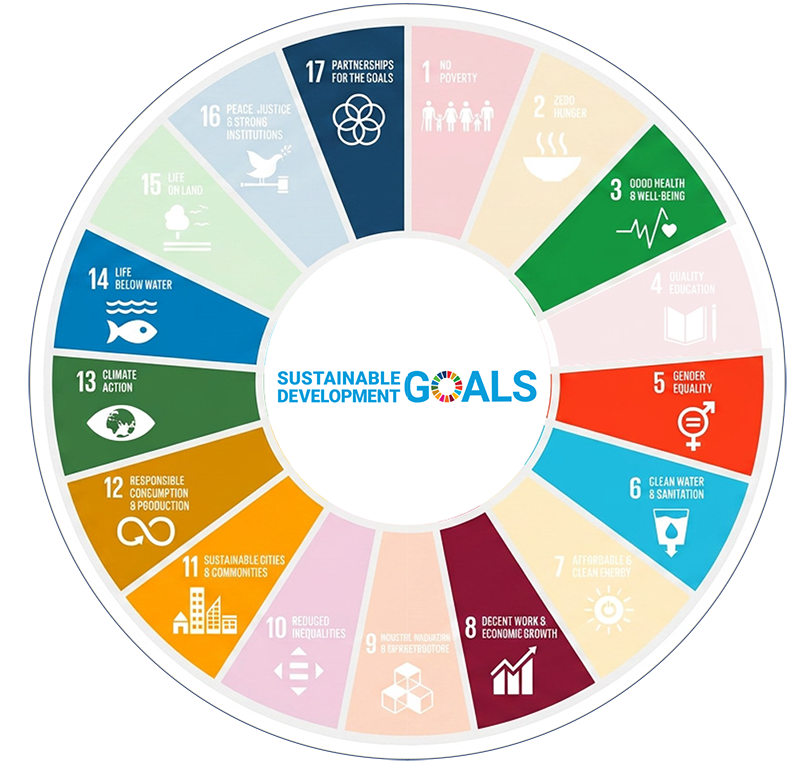
The NSRI's activities align with the following United Nations Sustainable Development Goals, aiming for meaningful and lasting impact by 2030.
How the NSRI contributes
- Building strong partnerships with government, emergency services, private sector partners and communities to extend reach and operational impact.
- Collaborating nationally and internationally with rescue organisations to share knowledge, strengthen training, align standards and advance water safety and rescue capability.
Strengthening and revitalising global
partnerships supporting sustainable
development

- Providing critical operational capability for marine animal rescue, including whale disentanglement through the South African Whale Disentanglement Network, supporting the protection of marine ecosystems.
Increasing the economic benefits of sustainable management of marine resources, fisheries, aquaculture and tourism for least developed countries

- Adapting operational capability and preparedness to respond to increasing extreme weather events, including floods and storms.
- Collaborating with local and national emergency management agencies and disaster response organisations to strengthen coordinated disaster response.
Strengthening resilience and
adaptive capacity to all countries' climate-related hazards and
natural disasters

- Reducing environmental impact through cleaner rescue vessel technologies and responsible operational practices.
- Integrating sustainability considerations into asset management and day-to-day operations.
Achieving sustainable
management and efficient
use of natural resources

- Strengthening community resilience and supporting disaster risk reduction through community programmes and emergency response capabilities, including readiness for extreme weather events and flooding.
- Enhancing public safety through the deployment of beach safety cameras and PRBs.
Making cities and human
settlements inclusive, safe, resilient and sustainable

How the NSRI contributes
- Delivering community programmes focused on drowning prevention and water safety awareness across diverse communities to reduce the number of water-related fatalities.
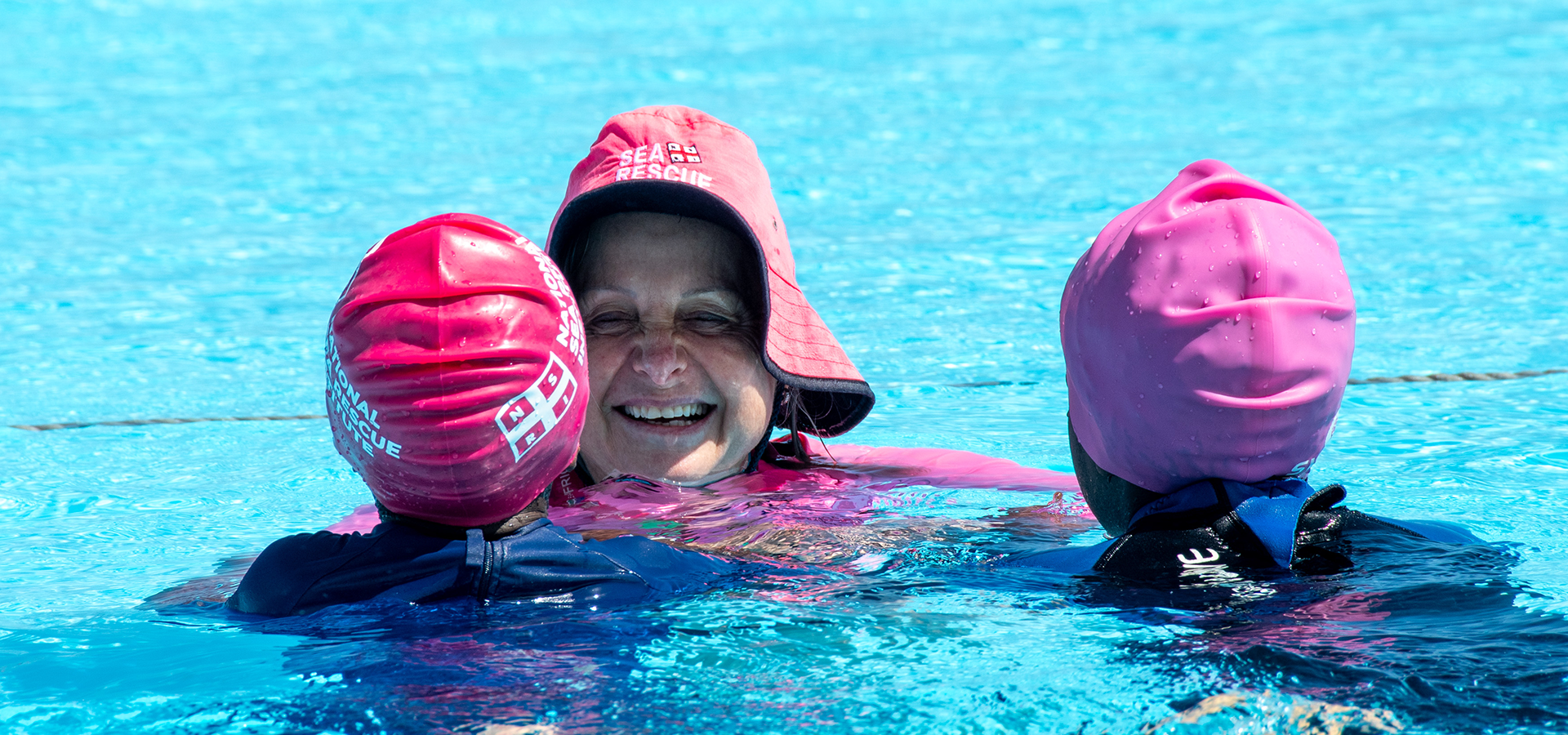
- Promoting swimming as a vital life skill that enables people to protect themselves and others in water-related emergencies.
- Collaborating with schools, community centres and local authorities to include water safety education in curricula and community outreach programmes.
Ensuring healthy lives and
well-being for people of all ages

- Promoting equitable access and participation across all areas of the organisation, including volunteers, employees and training programmes.
- Increasing female representation within a traditionally male-dominated maritime environment.
Ending all forms of discrimination
against women and girls everywhere
and ensuring their full and effective
participation with equal opportunities

- Supporting awareness of water-related risks through community education and engagement.
- Promoting responsible environmental practices and highlighting the impact of pollution and unsafe waterways on community safety.
Improving water quality by reducing
pollution, eliminating dumping and
substantially increasing recycling
and safe reuse globally

- Enabling safer participation in water-based activities such as tourism, fishing and recreation through rescue readiness and water safety initiatives.
- Supporting local economies through partnerships and service delivery in coastal and inland communities.
Achieving full and productive
employment and decent work for all,
including young people and persons
with disabilities