


Message from our
Chief Executive Officer
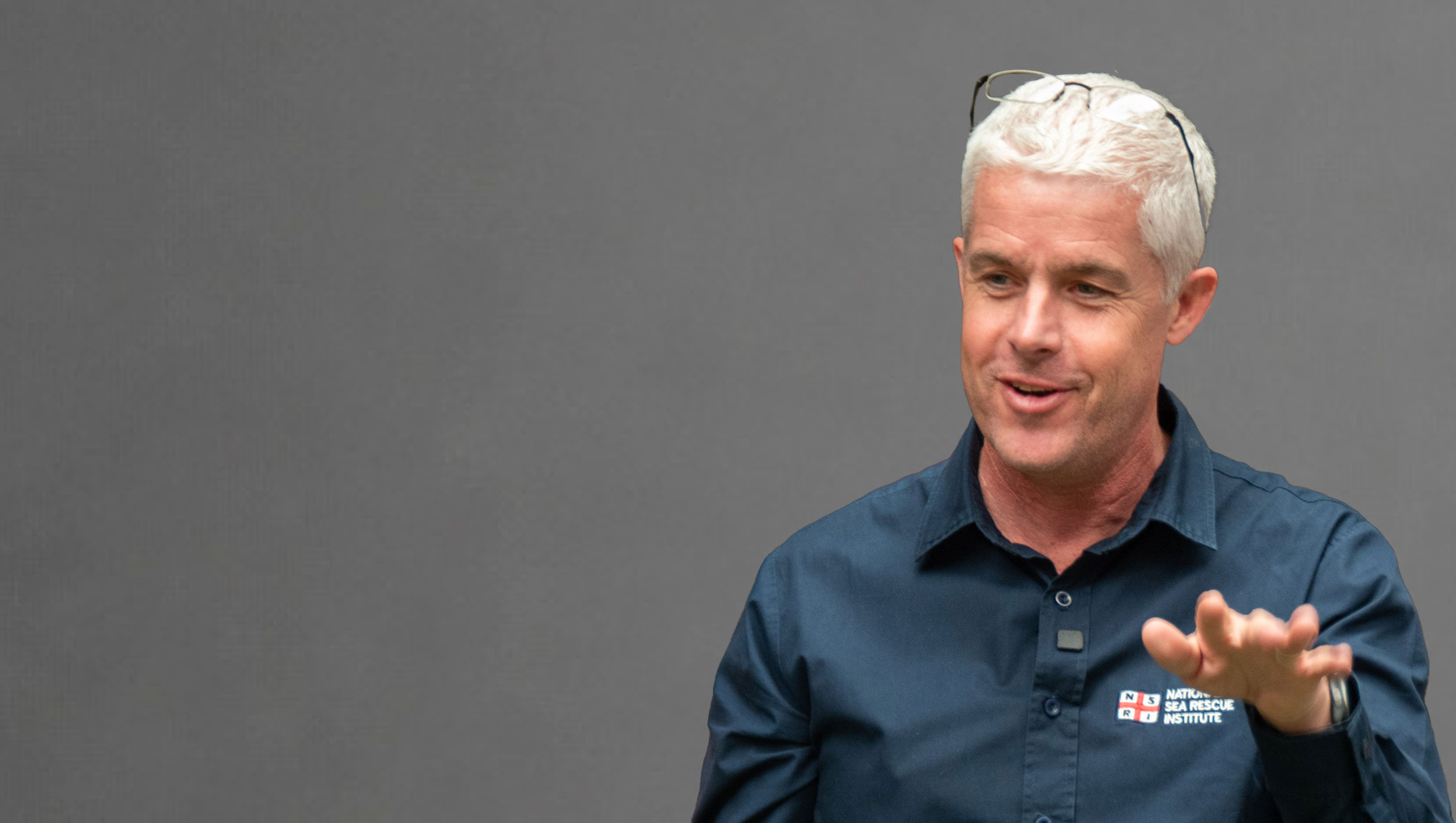
Effective and transparent stakeholder engagement is essential to our mission of saving lives and building safer communities. By incorporating stakeholder engagement into every stage of our value creation process, we ensure that our operations, rescue services and educational initiatives remain relevant, impactful and sustainable.
– Michael Vonk
Message from our Chief Executive Officer
The sophistication of the NSRI's business model is a testament to its resilience: balancing the responsibilities of a national maritime emergency service and a large-scale community drowning prevention programme, all enabled by volunteers and donor funding. The NSRI has established itself as a recognised leadership organisation in South Africa.
Challenges and opportunities
The pace and complexity of change in 2025 against a challenging economic environment were greater than anticipated. The year began with plans for consolidation and became one of renewal, which tested the resilience and adaptability of our people.
I am proud of the actions taken by both our volunteers and employees to achieve positive outcomes. We strengthened our future volunteer leadership by appointing new station commanders, while an organisational development process restructured our operations environment into a single, cohesive unit under the leadership of Brett Ayres as Chief Operating Officer. The result is clearer lines of responsibility, faster decision-making and a more integrated approach to delivering on our mission.
What never changes is the human impact of every community programme and rescue operation. Behind every number in this report is a life saved, a family kept whole and a community made safer.
Advocacy and prevention
Our community programmes division, which drives our prevention and advocacy efforts, ended 2025 materially stronger than it began with confirmed leadership, formalised volunteer governance, a growing network of institutional partnerships and a clear strategic direction towards scalable, partnership-driven delivery.
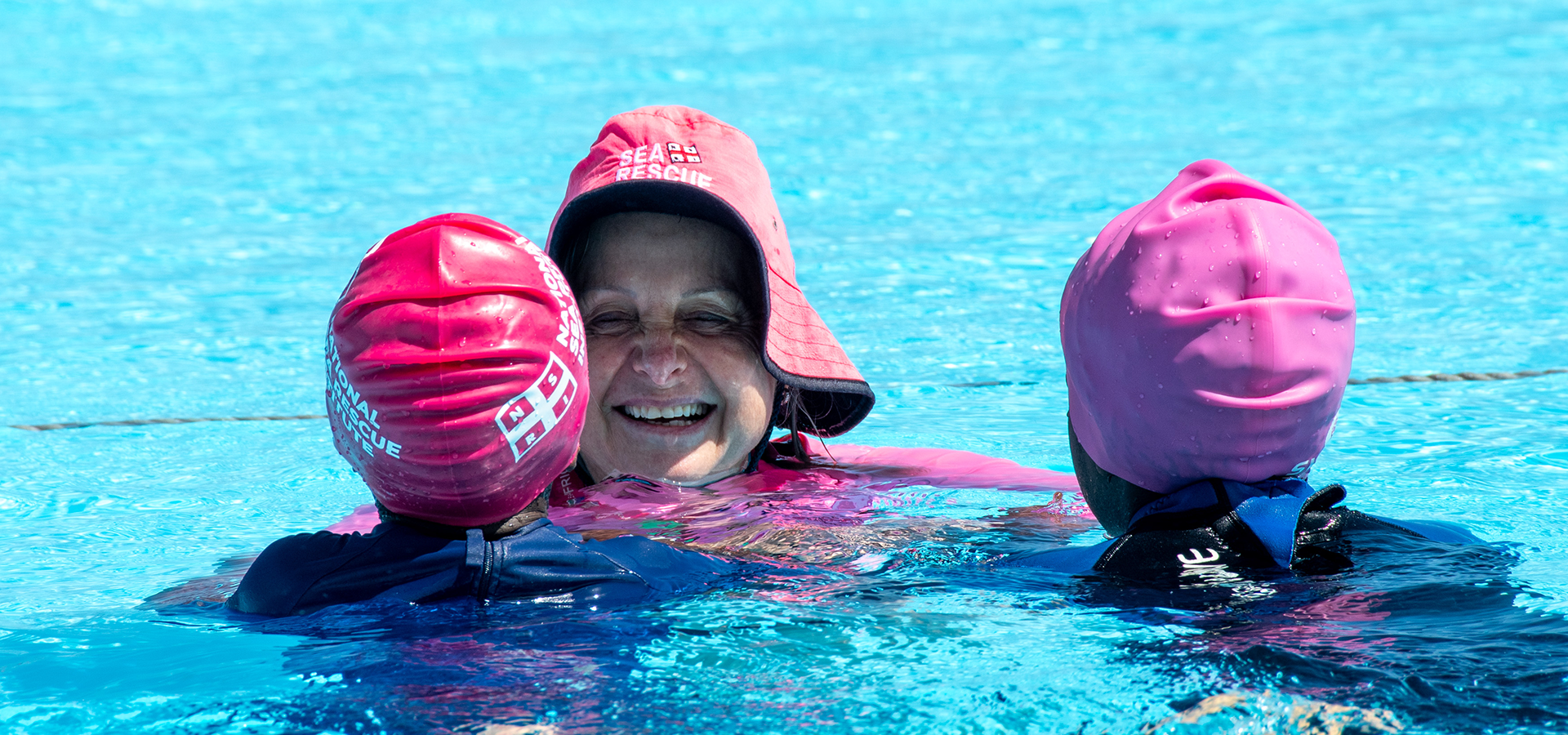
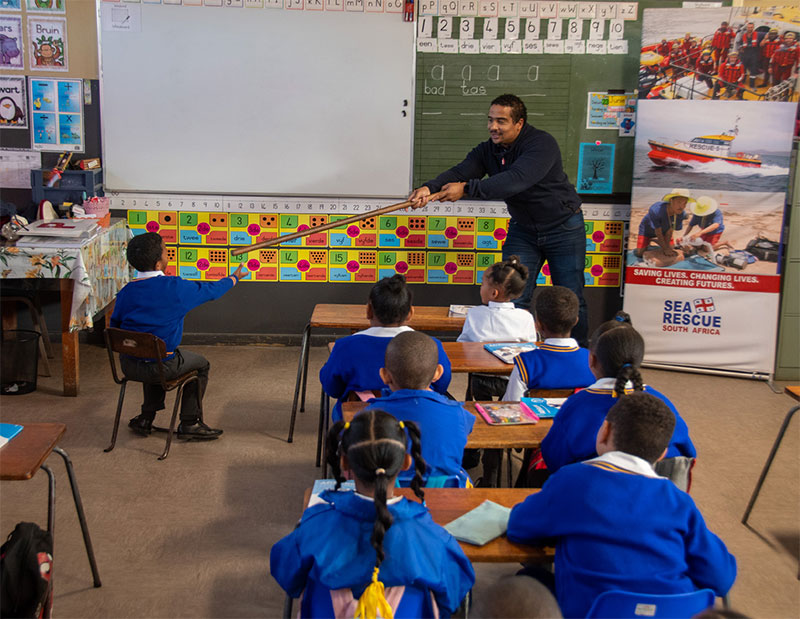
Our education programmes exceeded targets, reaching 899 756 people through water safety education across all nine provinces and delivering 25 043 survival swimming lessons.
The PRB network continued to expand nationally, saving 33 lives during the year and bringing the cumulative total to 239 since inception. We also expanded our beach safety camera network, with dedicated monitoring and analysis by specialists.
We hosted a stakeholder workshop with Stellenbosch University's Department of Emergency Medicine, focused on improving South Africa's drowning data systems. The workshop reinforced our shift from funding academic studies to enabling data collection and analysis through partnerships, which will guide our prevention strategies.
Lifeguarding and quality rescue services
Our lifeguarding programme responded to high seasonal demand across 50 sites with determination and operational maturity, ensuring effective service delivery despite short-notice contracts. Growing recognition of our training and delivery capability is evident in the Club Med Tinley Manor lifeguarding contract awarded to the NSRI in 2025.
Our rescue crews conducted 1 069 rescue operations during the year, supported by the upgraded EOC, which contributed to increased operational capability and improved coordination. Every operation is backed by countless hours of training.
The training team was expanded to increase capacity and deliver more courses nationwide. This included a first-of-its-kind accelerated surf training course launched to fast-track coxswain development in remote and under-resourced areas.
The new Station 49 Mdumbi on the Wild Coast, established after years of groundwork and formalised through a memorandum of understanding with the local municipality, demonstrates the community partnerships needed to expand our rescue services sustainably.
We invested R83.3 million in capital expenditure during the year, the largest annual capital investment in the NSRI's history, driven primarily by our decision to accelerate the build of our ORCs and conclude our Class 1 fleet replacement. The final two ORCs and their rescue bases at Station 4 Mykonos and Station 8 Hout Bay are due for completion in 2026.
Marketing, communication and fundraising
We improved our brand visibility to unprecedented levels with sustained investment in human-centred storytelling and engagements designed to grow trust among stakeholders. Our marketing and communication team supported public safety messaging by focusing on community-based prevention programmes, lifeguarding and high‑impact rescues.
Through integrated campaigns and media partnerships, we continued to strengthen our position as a national voice for water safety and rescue readiness. Our Change the Score on Drowning campaign, featuring pitch-side advertising at international sporting events, was seen by millions worldwide.
A marketing campaign automation project was initiated to deliver more personalised, timely communications to donors and supporters, deepening engagement and improving the donor experience.
Digital and performance marketing contributed to an increase in revenue through lead generation as well as online donations and retail sales. As a growth engine, performance marketing supports the fundraising centre, which has evolved from a traditional call centre to a data-driven, multi-channel operation generating income from increasingly diversified streams.
Robust governance
Cost discipline was maintained throughout the year, with operating expenditure closely aligned to budget. We invested in multiple new information technology (IT) solutions to enable data-driven decision-making and reinforce operational discipline, while significantly strengthening our cybersecurity controls to address growing digital risks.
Looking ahead
Our priorities for 2026 are organised into four interconnected areas:
- Strengthening people and culture by sustaining the volunteer model.
- Modernising systems, technology and capability by investing in digital transformation and prioritising areas that remain reliant on manual processes.
- Engaging with stakeholders and strengthening brand leadership by scaling performance marketing, deepening donor insights, implementing marketing automation and expanding corporate and institutional partnerships.
- Advancing knowledge and sustainability by deepening our understanding of drowning epidemiology and embedding environmental sustainability across our operations.
With gratitude
It is a privilege to serve the NSRI alongside the people who make our work possible: our volunteers, employees, Board, donors, corporate and government partners, emergency services and the communities we protect.
Michael Vonk
Chief Executive Officer