


Why our work matters
Why our work matters
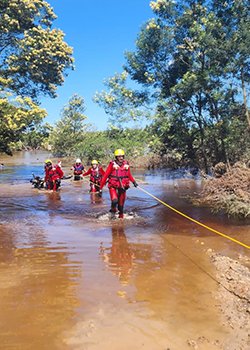
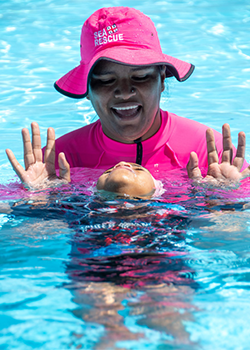
Every time someone steps onto a boat, enters the ocean, hikes near a coastline, crosses a river or lives in a flood-prone community, they are trusting that help will arrive if something goes wrong. The NSRI exists to make sure that trust is never misplaced. At the most fundamental level, our work matters because people do not survive emergencies without rapid, skilled response. When accidents happen – capsized vessels, rip currents, medical emergencies at sea or flash floods – minutes and seconds matter.
The 25 lives lost to swimming and bathing drowning in 2025 (27% of NSRI’s 91 recorded fatalities) demonstrates why our work matters, and will continue to matter, for years to come.
South Africa has one of the longest and most dangerous coastlines in the world, alongside rivers, dams and flood zones that place communities at risk.
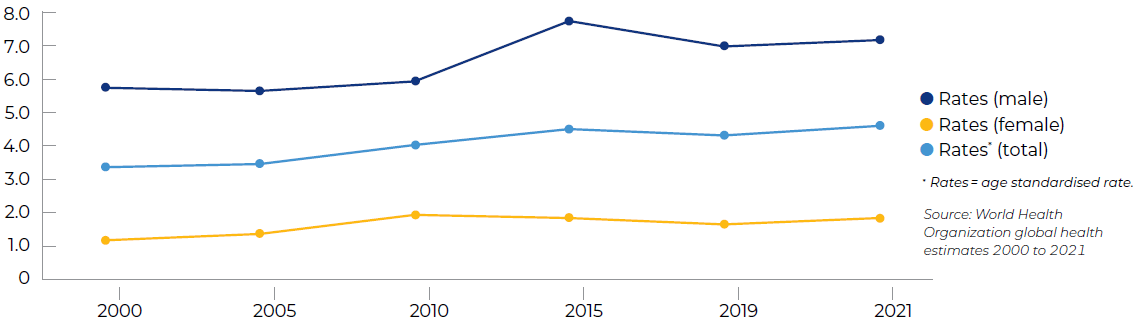
The latest statistics from the World Health Organization, in its 2024 global status report on drowning prevention, estimate South Africa’s drowning death rate is 4.4 per 100 000 people. While this is marginally lower than the African regional average of 5.6 per 100 000 people, it reflects a significant national challenge. In 2021, an estimated 2 700 people lost their lives to drowning in South Africa, the report states.
We do not only respond to emergencies – we work to stop them from happening. Through education, community programmes, preventative initiatives and public awareness campaigns, we:
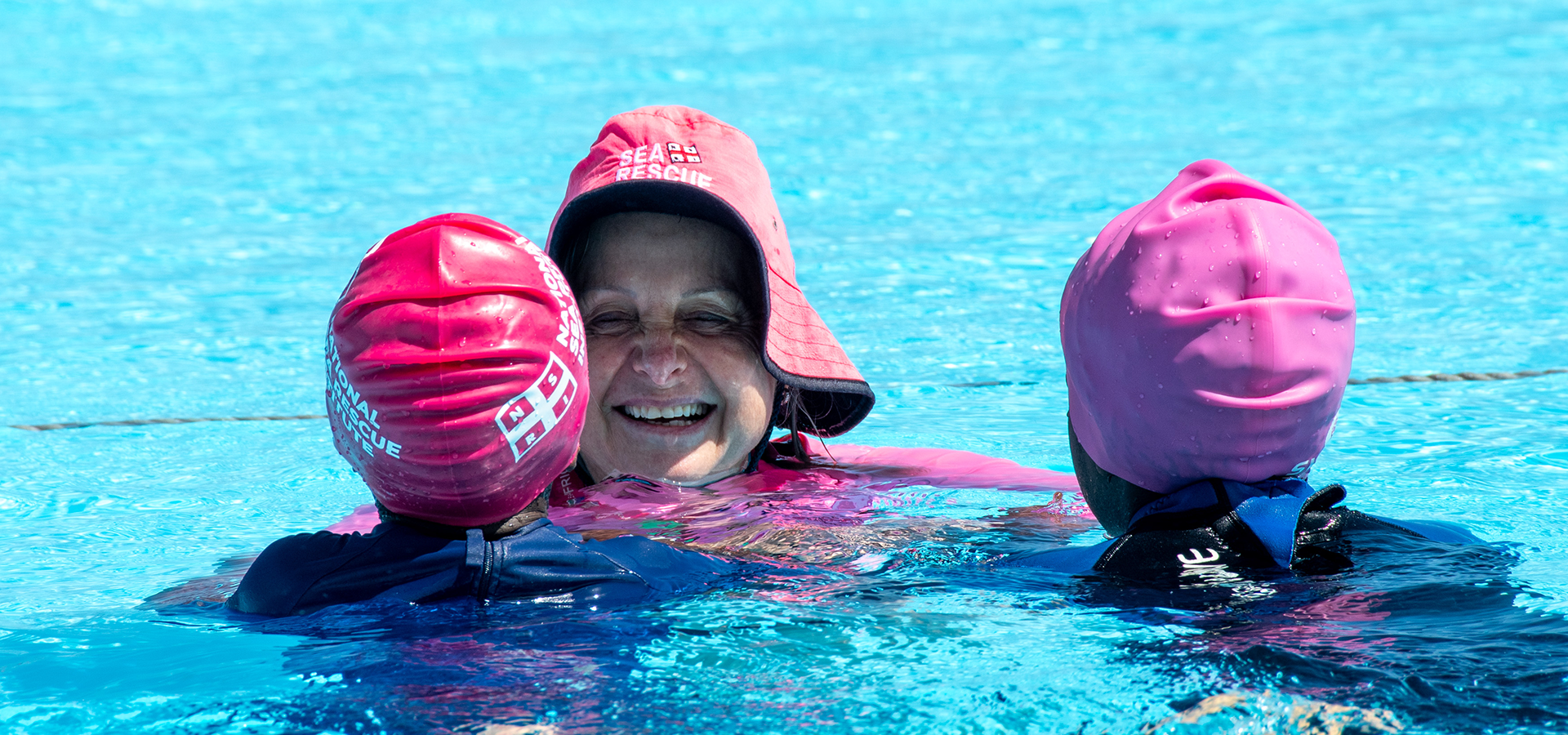
- Teach children lifesaving survival skills.
- Equip communities with flood and water safety knowledge.
- Reduce long-term rescue demand by addressing root causes.
- Innovate and deploy preventative tools and equipment.
This means fewer emergencies, fewer fatalities and safer communities over time. Global research suggests that non-fatal drownings may be up to 10 times more frequent than fatal drownings. Lack of similar data on South Africa masks a substantial socio-economic burden. Another World Health Organization publication, Hidden depths: the global investment case for drowning prevention, states that every US dollar invested in prevention saves US$9 (a cost benefit ratio of 9:1). Drowning prevention potentially saves the world an estimated US$400 billion.
Rate of drowning deaths over time