


CASE STUDY
Extending our reach inland:
Building rescue capability where it did not exist
For many years, rescue operations on inland waters in South Africa were limited. In some areas, they were simply not possible. Now, that is changing.
The NSRI's inland stations have extended our reach beyond the coastline, bringing highly trained crews and rescue capability to communities where help was previously uncertain. These stations are an essential part of our national footprint, improving response times and giving people a far greater chance of survival. Station 35 Witbank Dam is one example of this impact.
Formed in 2014 after a fatal boating accident highlighted the need for inland rescue at Station 35 Witbank Dam, the station began with a small group of volunteers and limited resources. In December 2025, the crew moved into their dedicated rescue base. This marked an important step forward in strengthening readiness, coordination and long-term presence in the region. The base provides secure storage for rescue craft and equipment and serves as a central point for responding to emergencies. More importantly, it supports the volunteers who bring the station to life, giving structure to their work and strengthening their ability to serve their community.
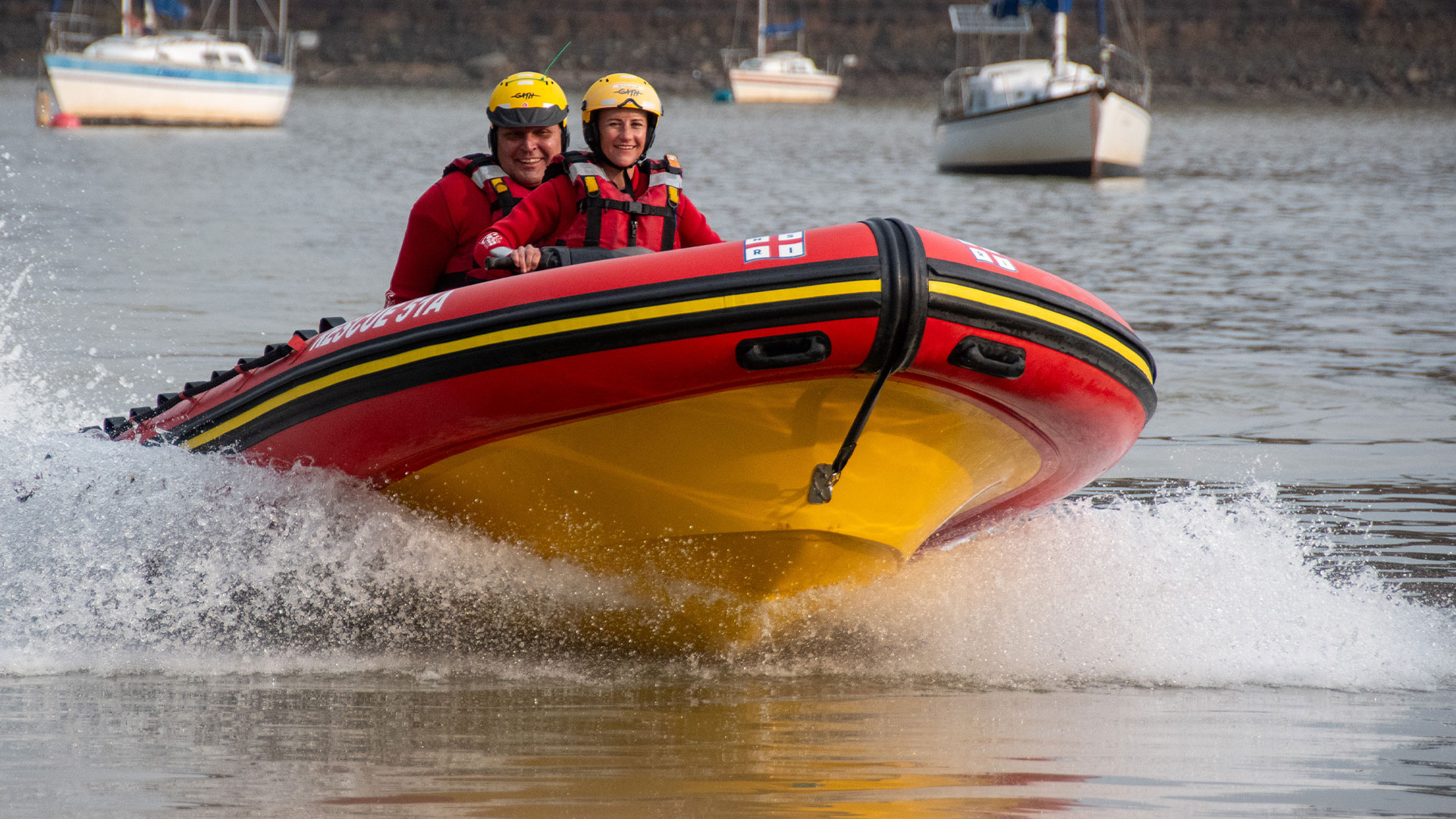
This capability was demonstrated during a dramatic rescue at Grootdraai Dam. During the peak holiday season, four men were stranded in the water, clinging to a ski boat balancing on the edge of the dam's spillway. Below them, water dropped more than 40 metres into the Vaal River. The position was unstable and extremely dangerous because the wind and current were pushing directly towards the edge. Local responders were on scene, but the conditions, their lack of equipment and training made a safe rescue impossible. When the call reached Station 35 Witbank Dam, three volunteers responded immediately, leaving family commitments and travelling nearly two hours to reach the scene. On arrival, they launched into challenging conditions and navigated towards the spillway in complete darkness. The situation required calm judgement. The coxswain adjusted their approach to maintain control of the rescue craft in the wind and current. Working together, they deployed a line to the four men and instructed them to hold on. With all four secured, the crew applied steady power and pulled them clear of the spillway, away from the drop. Within minutes, the men were out of danger and brought safely to shore. They were very cold, shaken and exhausted, but alive. For the volunteers, the rescue was what they do. Within a few hours of the rescue, they had returned home and by the next day, they were back at work, as if nothing had happened.
This is the reality of an inland rescue. It depends on highly trained volunteers, supported by the right equipment and infrastructure, who can respond quickly and operate in high-risk environments. It also shows the importance of having the capability close to where incidents happen.
The NSRI's inland stations are doing more than responding to emergencies. They are building local resilience, strengthening communities and ensuring that fewer people are beyond the reach of rescue.
One station, built through commitment and support, is saving lives that may otherwise have been lost.

Read more about the new rescue base at Station 35 on our website.
The Wall: Back from the Edge
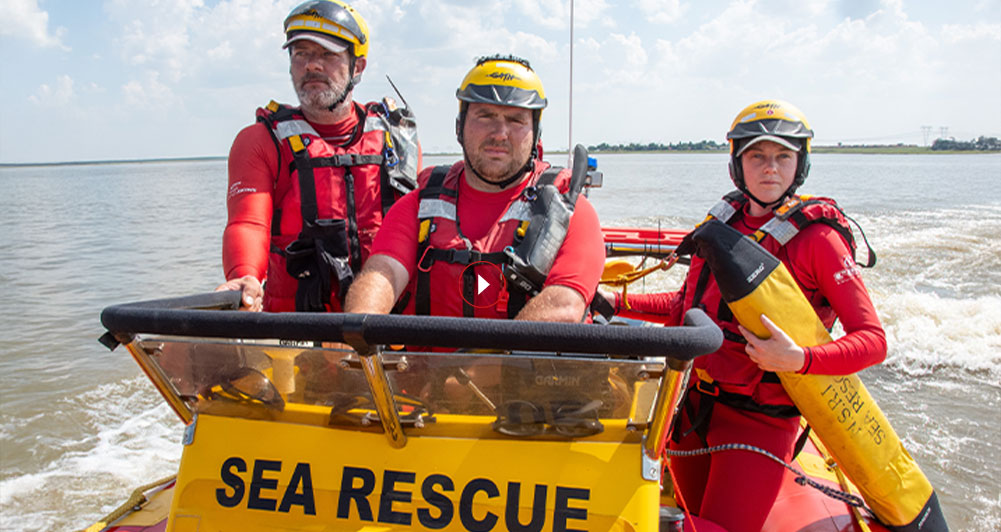
Watch Grootdraai Dam Rescue