


CASE STUDY
A coast-to-coast classroom:
Building the next generation of coxswains
At NSRI, our work is built on three interconnected service pillars: community programmes, lifeguarding and rescue. Together, they provide a comprehensive approach to water safety, from prevention through to emergency response, saving lives while improving safety for future generations.
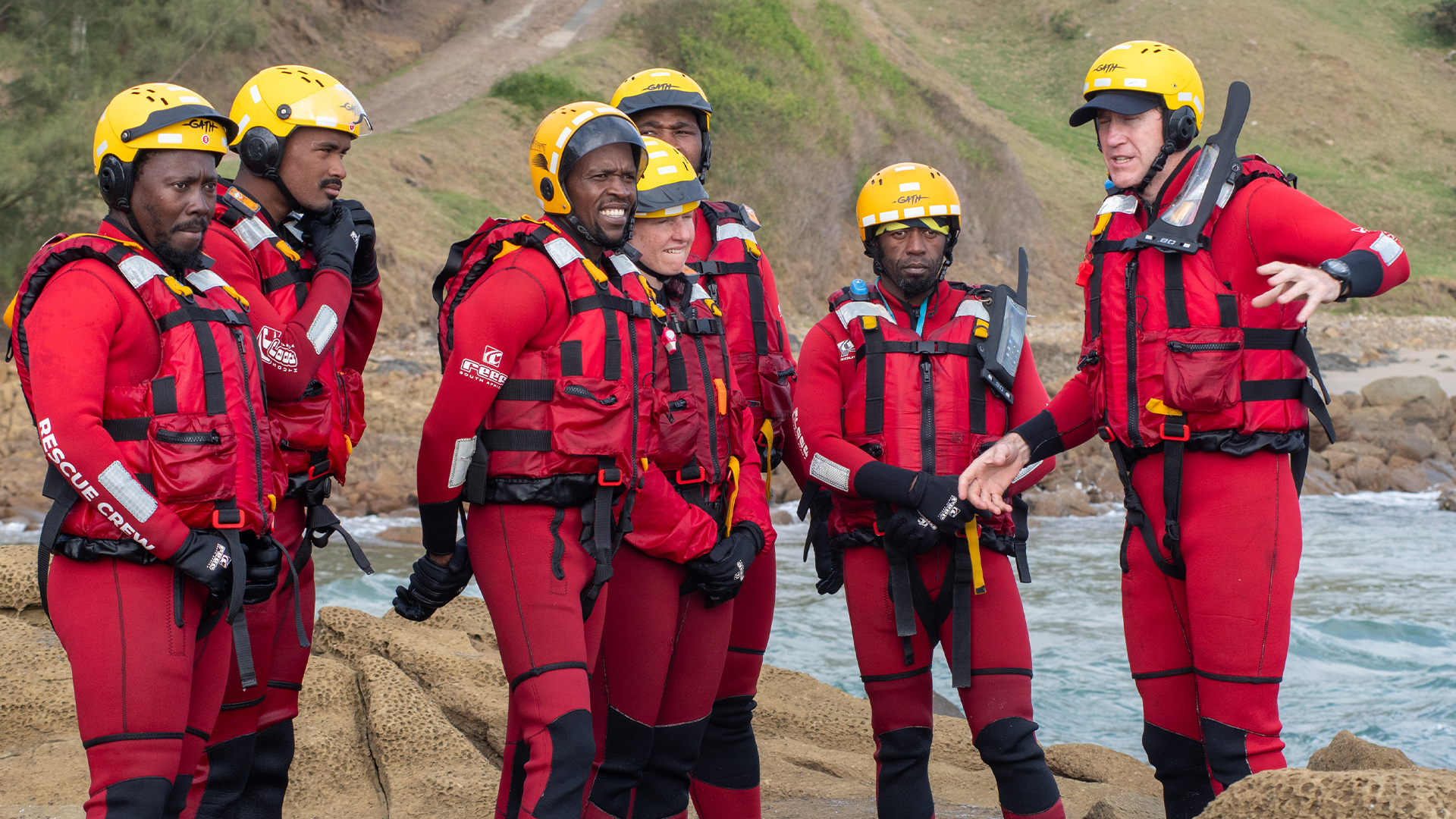
In September 2025, 10 aspiring coxswains set off on a two-week journey along South Africa's coastline. Drawn from our community programmes team and stations across the country, they came together to build their skills under real-world conditions as one team.
This was not a classroom course. It was an innovative, hard-working, coast-to-coast training model designed to prepare coxswains for the realities of rescue, while strengthening the link between prevention, preparedness and response. The aim was to build confident, capable coxswains who can operate safely and independently in varied and challenging environments, and who understand their role in the full water safety system.
Led by our training and operations team, the programme moved from Station 18 Melkbosstrand in the Western Cape to Station 49 Mdumbi in the Eastern Cape. Along the way, candidates trained at multiple stations, including Station 42 Kleinmond, Station 36 Oyster Bay, Station 46 Storms River, Station 7 East London, Station 33 Witsand and Station 23 Wilderness. Each location brought different conditions, from surf launches to river mouths and slipways.
At Station 23 Wilderness, known for its demanding surf, the group faced some of their toughest conditions. The experience was about more than technical skill; it was about learning from the culture and experience built over decades and understanding how rescue operations connect with lifeguarding services and community-based prevention efforts.
Candidates were trained under close supervision, with a strong focus on decision-making, crew coordination and readiness for real incidents. This connection between training and operations became clear when a real call-out took place right at the end of the course in the remote Mdumbi surf. The team responded immediately, shifting from training into rescue. It was a strong reminder that readiness is not theoretical.
For participants, the long and intense experience was both demanding and rewarding. Moving between such varied locations exposed the candidates to changing conditions and new challenges. It reinforced a simple truth: the sea is always different, and learning never stops.
The programme also built something less visible but just as important: trust. Candidates arrived from diverse stations, backgrounds and roles. Over the course of two weeks, they became a cohesive group. They learned to communicate, understand each other's strengths and weaknesses, and work as a team under intense pressure. These are the foundations of effective rescue. Importantly, the impact of this course extends beyond the individuals trained. Each trainee coxswain returned to their station with new skills and experience, strengthening their local crew, supporting lifeguarding operations and improving readiness in their community.
This travelling training model shows how we can accelerate learning while maintaining high standards. It strengthens peer learning across stations and disciplines, and builds a shared approach to operations, leadership and safety across all three service pillars. It also supports a broader goal of expanding capability in remote and underserved coastal communities, where strong local leadership, supported by prevention programmes and lifeguarding presence, is essential.
By investing in people in this way, we are not only training coxswains, but we are also strengthening a connected system of community programmes, lifeguarding and rescue, ensuring that from prevention to response, we continue to save lives, change lives and create futures.

Read more about the two-week coxswains training on our website.
Rising with the Tide: Making NSRI Surf Rescue Coxswains
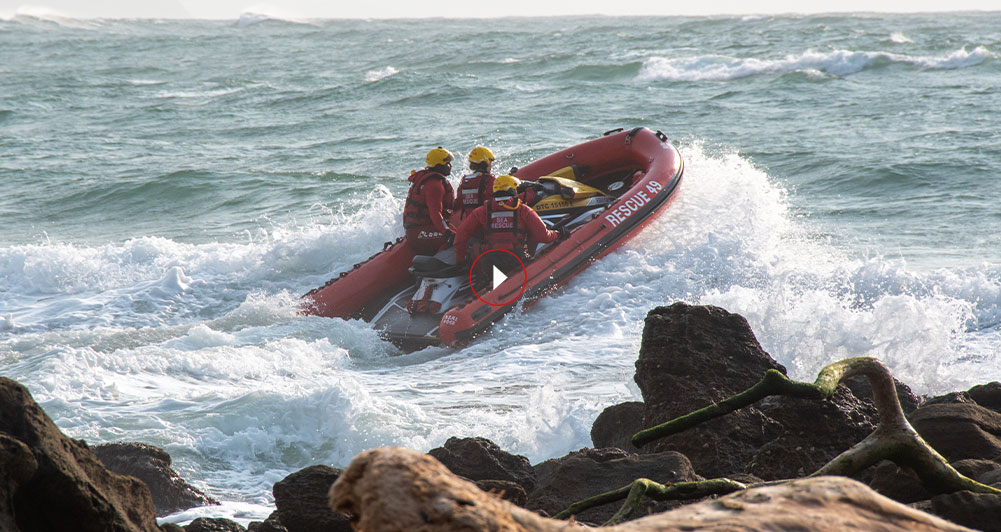
Watch 'Rising with the Tide'