


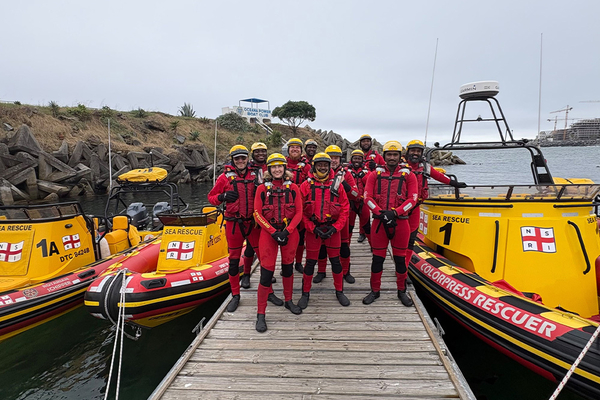
When a call comes in, there is little time for hesitation. Conditions may be deteriorating, lives may be at risk, and a rescue crew must be ready to respond. Leading the rescue operation is the coxswain, whose responsibility is to guide the crew, make critical decisions, and ensure everyone returns home safely.
Within the NSRI, coxswains qualify to command different classes of rescue vessels, with training and responsibilities reflecting the demands of each. Volunteers typically progress through the Class 4 coxswain programme before working towards the Class 3 qualification, which allows them to command rigid inflatable rescue craft up to 9 metres, operating as far as 40 nautical miles offshore, day or night.
But becoming a Class 3 coxswain involves far more than mastering a rescue boat. Behind the qualification is years of training, countless hours on the water and a journey that demands as much character as technical skill.
A Class 3 coxswain carries significant responsibility.
“Once qualified, they are responsible for the safety of the crew, the casualties, and the vessel herself, from launch to recovery,” the NSRI Training Team explains.
Reaching this level takes dedication. To begin Class 3 training, an NSRI volunteer must be at least 21 years old and have at least one year of operational experience.
The journey typically takes around three years from joining the NSRI, although balancing volunteer commitments with work, family and available sea time means every individual's path is different.
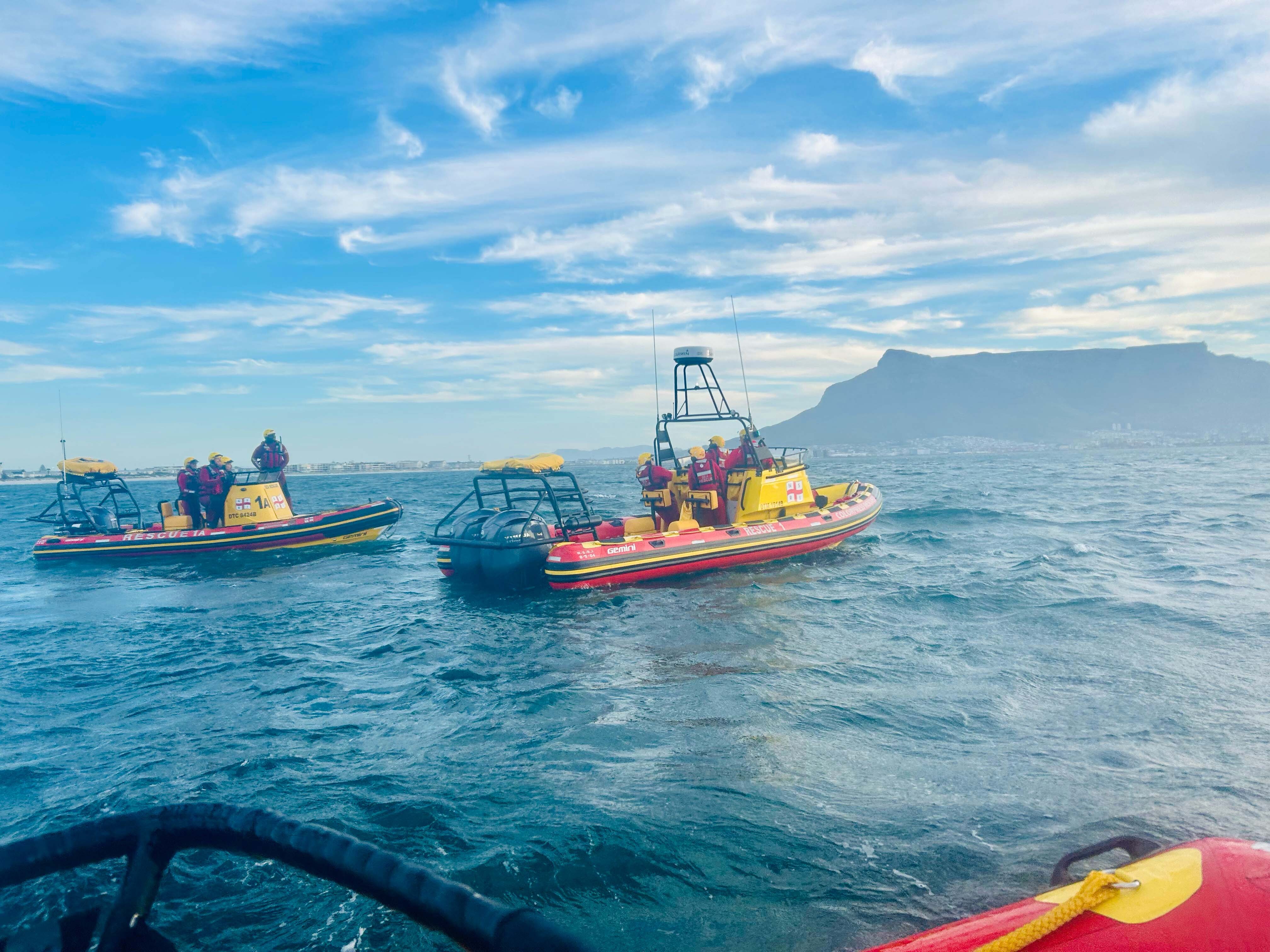
The Class 3 Coxswain Development Programme (C3 Dev Pro) provides a structured pathway towards qualification, combining practical experience, theoretical knowledge and mentorship.
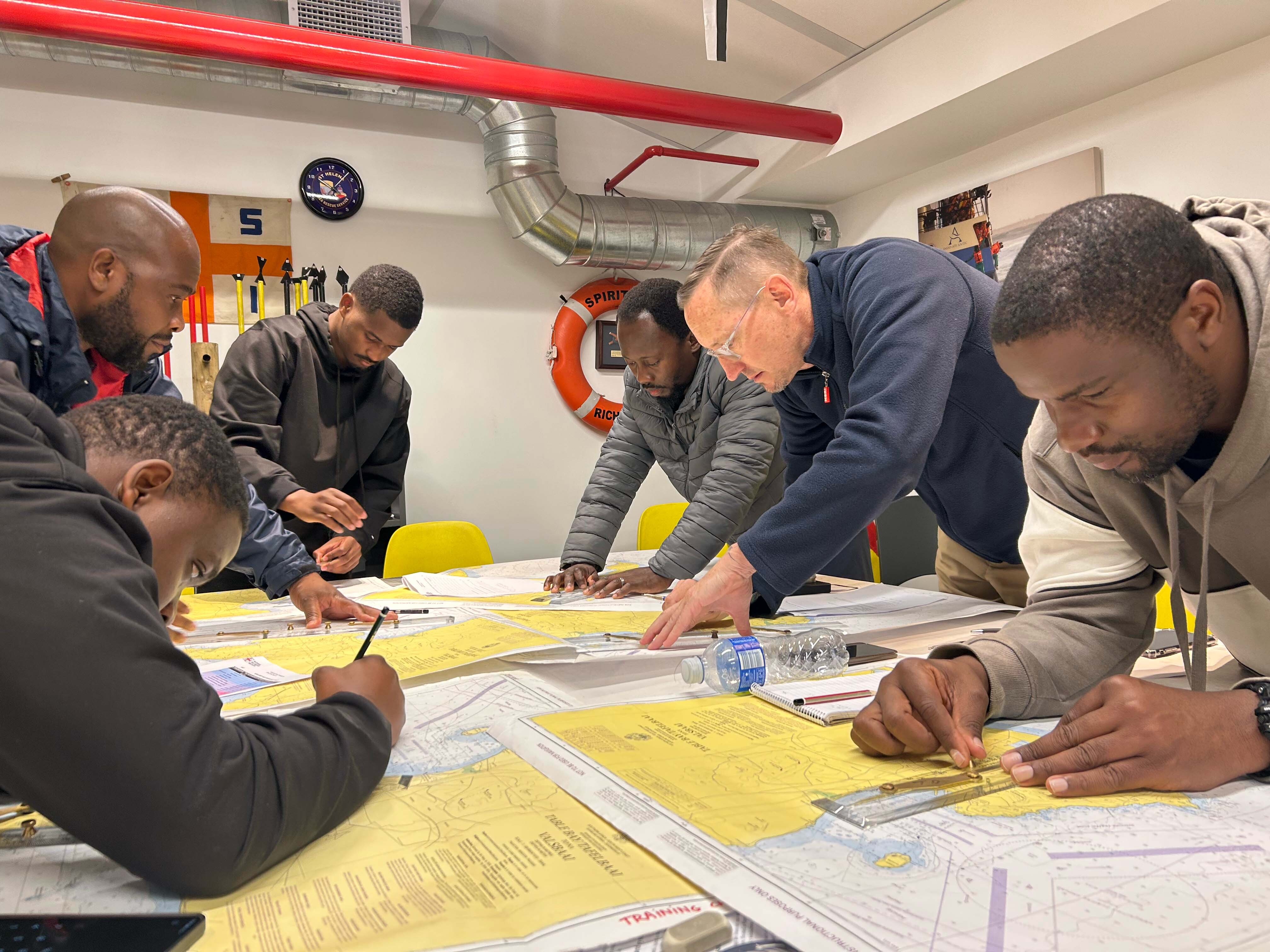
Trainees work through an extensive task book covering navigation, seamanship, search patterns, towing, emergency procedures and crew management. They accumulate supervised sea hours through training exercises and real rescue callouts, gradually assuming greater responsibility.
Specialist disciplines also strengthen their capabilities. Swiftwater Rescue and Maritime Extrication (MEX) courses, offered annually, expose crews to demanding scenarios that require teamwork, leadership, and quick thinking.
Maritime Emergency Care (MEC) – the special NSRI first aid course – is particularly important, ensuring coxswains understand their responsibility for casualties from rescue through to handover ashore.
Perhaps the greatest challenge of becoming a Class 3 coxswain is learning to lead people when the stakes are highest.
While the coxswain takes command of a rescue operation, their crew serves as their extra eyes and ears, providing valuable information that helps inform their decisions.
According to the Training Team, humility always comes first.
“The best Coxswains listen to their crew and are not afraid to say, ‘I don’t know, let’s think about this.’”
Once trainees have completed their task books, logged the required sea hours, and passed their examinations, they undertake a three-day assessment course in Cape Town that covers rescue scenarios, emergency drills, and decision-making.
Success marks more than a qualification. It represents the trust placed in someone to lead a crew into uncertainty.
As the Training Team explains: “Leadership at the NSRI is not about rank. It is about bringing everyone home safely and leaving the team stronger than you found it.”
And ultimately, that is what makes an NSRI Class 3 coxswain.

Where and When to Join the NSRI's Free Survival Swimming Lessons This Summer
Read More
With the summer boating season approaching, many South Africans will soon be heading out onto dams, rivers and the open sea. But before launching, it's worth asking an important question: are you properly prepared for what could go wrong? ...

Even experienced surfski paddlers can find themselves in trouble when conditions change or equipment fails. Here’s some advice on staying safe, being prepared and knowing when to call for help. ...

It was supposed to be a quiet afternoon of studying for NSRI lifeguard Sphesihle Mngadi. Off duty and at home preparing for a test, he was taking a break to make himself some lunch when his grandfather called out from ...