


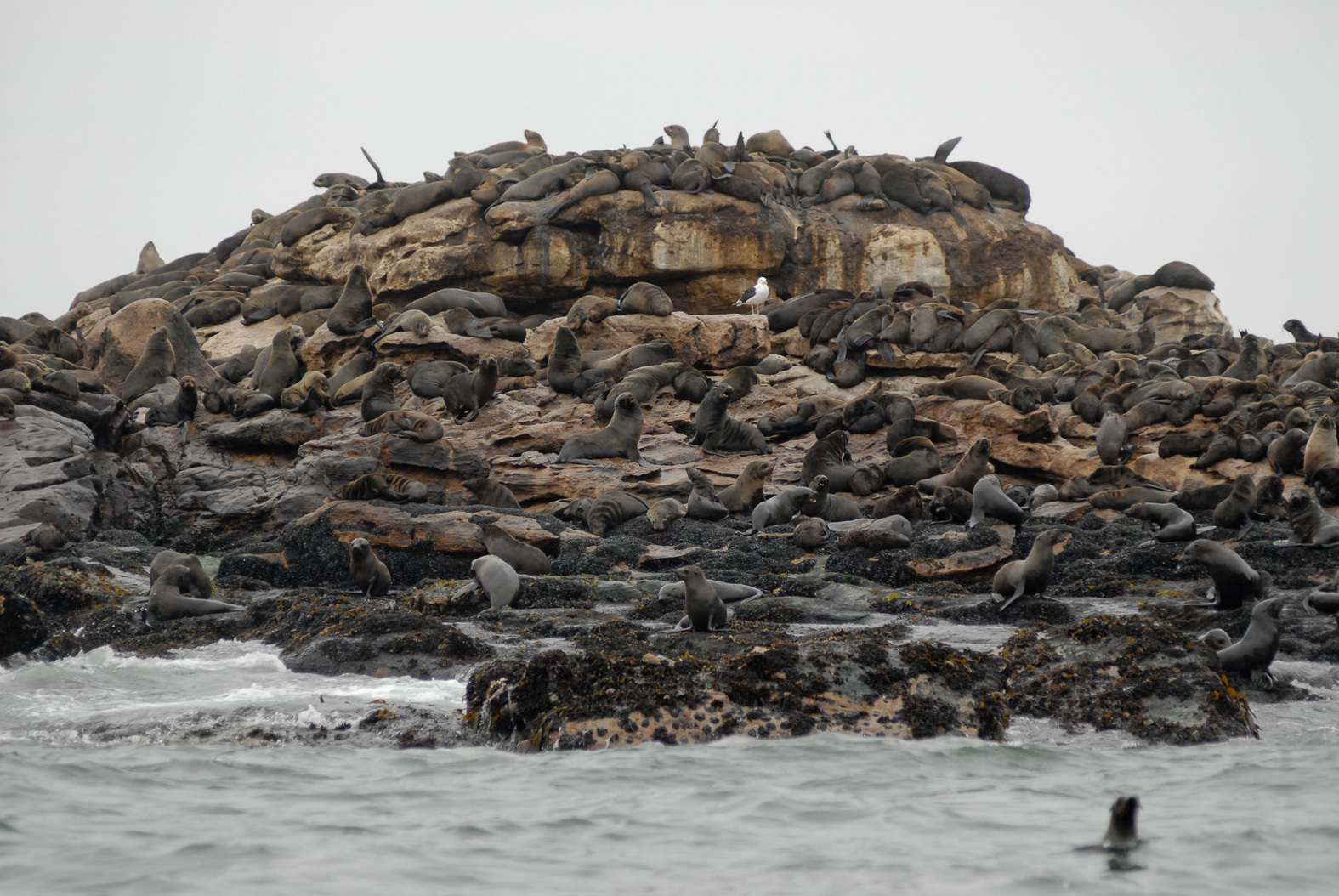
As South Africans prepare to head to the coast for the summer holidays, the NSRI is reminding beachgoers, swimmers and surfers to remain cautious around Cape fur seals, following ongoing concerns about rabies among the animals.
While the situation appears to have stabilised in recent months, isolated cases of rabid seals continue to occur along the Western Cape coastline, making public awareness and responsible behaviour particularly important.
According to City of Cape Town Director of Marine and Coastal Management Gregg Oelofse, 189 seal bites have been recorded across the Western Cape since records began in late 2021.
In Cape Town, approximately 19 bites have been reported in 2026, nine of which occurred during a single incident at Muizenberg, where one seal attacked a group of learner surfers.
Despite these incidents, Gregg says the situation is following a pattern predicted by rabies experts, describing it as “a slow burn – isolated clusters of rabid seals that come and go”.
Authorities continue to monitor the situation, with rapid intervention to remove seals displaying behaviour associated with rabies.
NSRI spokesperson and Station 10 (Simon's Town) station commander Darren Zimmerman says the situation in the area appears to have calmed since March, with no major recent incidents coming to his attention.
Although NSRI crews have resumed more regular in-water training, precautions remain in place. If unusual seal activity is observed, crews are kept out of the water, and the relevant authorities are notified.
"We remain vigilant, we remain alert to the situation, we operate cautiously," Darren says.
With beaches and harbours expected to become busier over the summer, both Gregg and Darren emphasise the importance of respecting coastal wildlife.
Seeing seals in the water or on beaches is normal, as is occasionally encountering seal carcasses, which may result from natural causes unrelated to rabies.
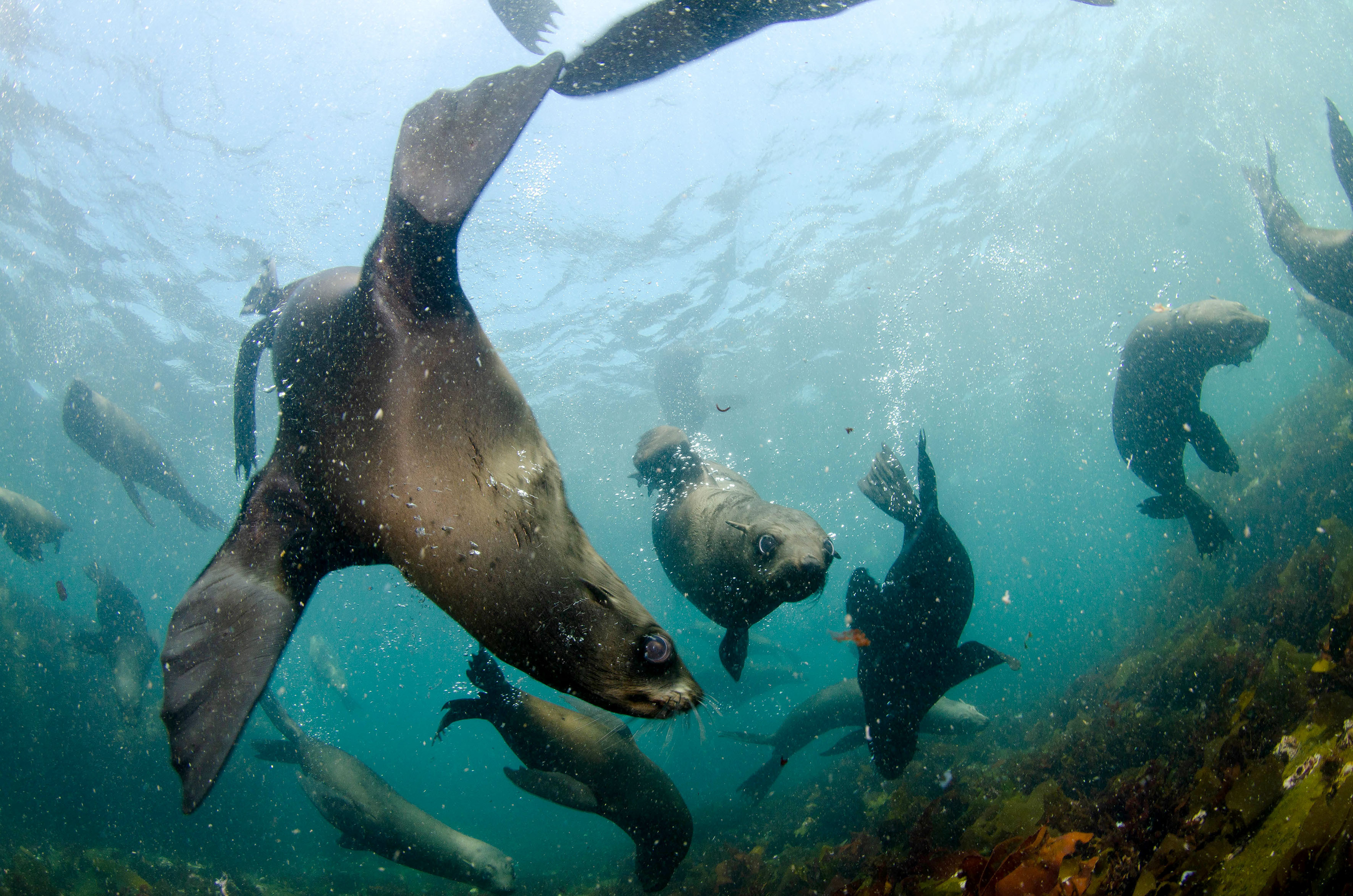
Beachgoers are encouraged to follow these precautions:
• Keep a safe distance from seals, whether on land or in the water.
• Never feed, touch, harass or attempt to handle seals.
• Avoid approaching seals for photographs or selfies.
• Keep dogs under control and away from coastal wildlife.
• Move away from seals displaying unusual aggression and report them to coastal management authorities.
• If bitten, seek immediate medical attention and ensure appropriate rabies post-exposure prophylaxis is provided.
In Cape Town, aggressive seal behaviour, including attacks and bites, can be reported to the City via 107. Incidents can also be reported to the NSRI, which can assist in safeguarding the area until the relevant authorities arrive.
Ultimately, the message is simple: seals belong along our coastline, but they are wild animals. By giving them space and knowing how to respond to potentially dangerous encounters, everyone can help make our beaches safer this summer.

NSRI – Hout Bay – NSRI assist CoCT (City of Cape Town) to recover a whale carcass washed ashore:
Read More
With the summer boating season approaching, many South Africans will soon be heading out onto dams, rivers and the open sea. But before launching, it's worth asking an important question: are you properly prepared for what could go wrong? ...
Even experienced surfski paddlers can find themselves in trouble when conditions change or equipment fails. Here’s some advice on staying safe, being prepared and knowing when to call for help. ...
It was supposed to be a quiet afternoon of studying for NSRI lifeguard Sphesihle Mngadi. Off duty and at home preparing for a test, he was taking a break to make himself some lunch when his grandfather called out from ...