



When an emergency unfolds, knowing that someone needs help is only the beginning. Rescuers need to know where the emergency is, what has happened, and how the situation is changing. Reliable communication is therefore a critical part of any search-and-rescue operation – but the reality is that this is often challenging.
NSRI Head of Operations, Charl Maritz, says rescue crews can encounter areas with little or no reliable coverage, both offshore and during inland operations. At sea, VHF radio is a line-of-sight technology, so its range is inherently limited without repeater support. Terrain also makes effective repeater coverage difficult along some stretches of coastline, particularly in KwaZulu-Natal.

Inland flood and disaster operations present other challenges, in which cellular and radio infrastructure may be damaged, overloaded, or simply absent.
Once crews move beyond reliable radio or cellphone coverage, other forms of communication become increasingly important. These can include AIS tracking, relaying messages through other vessels or stations, pre-agreed protocols such as scheduled check-ins, and satellite communications.
Satellite communications are particularly valuable during remote and long-range rescue operations. As Charl explains, they offer “a continuous two-way link regardless of distance from shore or the terrain that limits VHF and cellular coverage”, supporting faster, more reliable updates between rescue crews, their bases and partner agencies such as the MRCC.
Communication is not only about keeping rescue teams connected once an operation is underway. Just as important is how the alarm is raised in the first place.
For someone in distress, an EPIRB (Emergency Position-Indicating Radio Beacon) can provide a vital link when other means of communication fail.
Acting MRCC chief Donald Ratshibvumo explains that when an EPIRB distress alert is received, the MRCC assesses and verifies the information available before determining the appropriate search-and-rescue response. Importantly, an EPIRB alert is taken seriously because “it may be the only indication that a vessel or person is in distress.”
Registration adds another crucial layer. The beacon provides its encoded identification and, depending on the EPIRB and system, position information. Registration connects that identification to the vessel or owner and can provide contact and emergency details.
An unregistered EPIRB will not be ignored, but missing or outdated information can complicate the initial response and require additional time to establish the vessel's identity and circumstances.
Donald sums up why getting this right matters: “A properly maintained and correctly registered EPIRB gives the SAR (Search and Rescue) team the best possible starting point when an emergency occurs.”
There are compelling examples of what happens when conventional communications fall away.
During the 2026 rescue of Free Spirit off the KwaZulu-Natal coast, the yacht's crew had been broadcasting Mayday calls on VHF Channel 16 without receiving a response and eventually activated their EPIRB. Communications also became difficult for the responding NSRI crew offshore, with satellite radio later helping relay coordinates and operational updates.
More than a decade earlier, an EPIRB played a crucial role after Llama Lo capsized off the Wild Coast. Its signal triggered a major search, and the crew of the container ship CMA CGM Rossini ultimately followed the beacon's drift before spotting survivors Kyle Castelyn and Jean Sitruk shortly before sunset.

These rescues also illustrate something easy to overlook, receiving a distress alert is only the beginning of a much larger coordination process.
That is particularly relevant around Cospas-Sarsat Global Search and Rescue Day on 10 September.

The date commemorates the first Cospas-Sarsat distress alert, issued on 10 September 1982. It recognises the people involved in search and rescue worldwide – including those behind the scenes who detect, process, coordinate and communicate distress information.
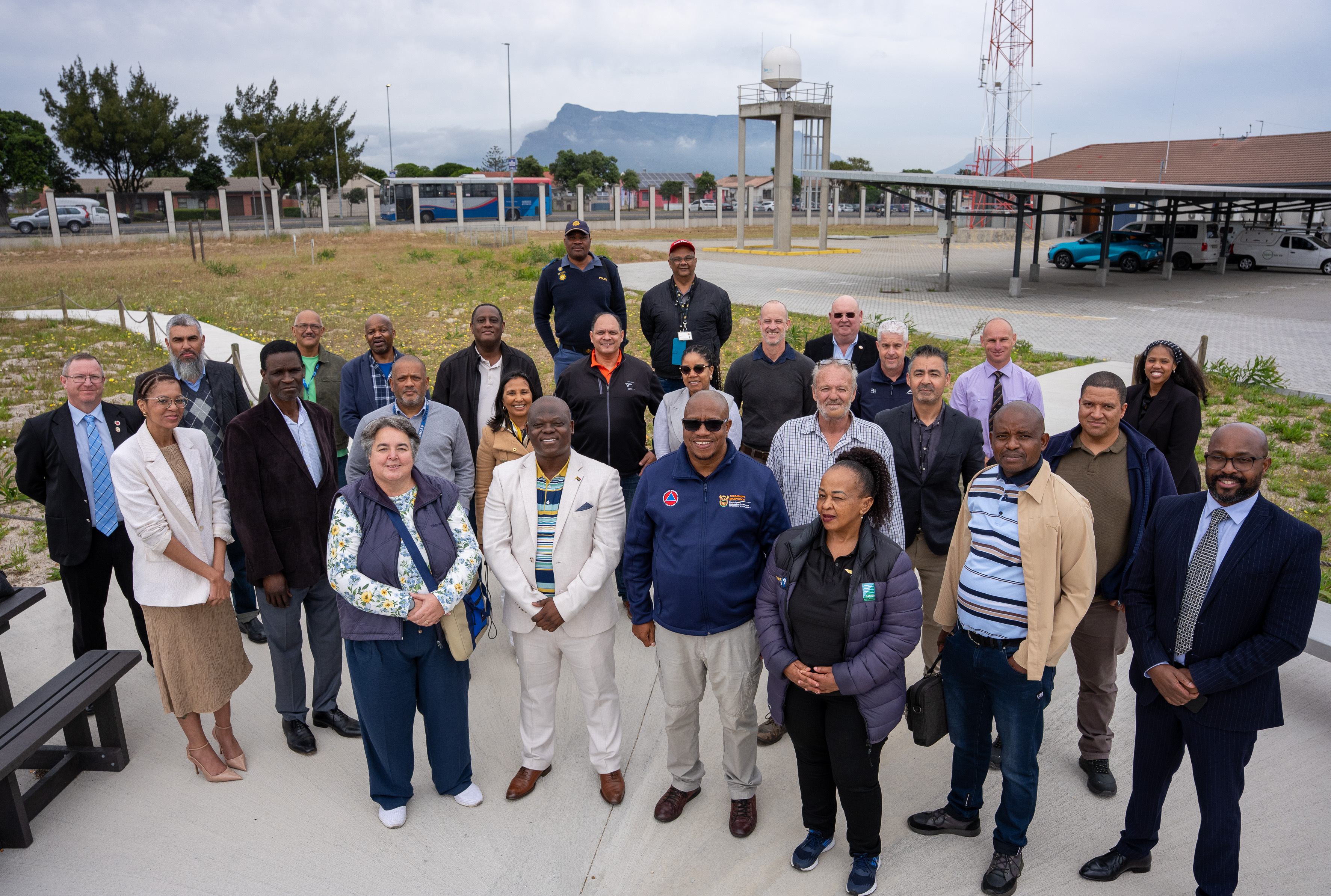
Donald says one of the biggest misconceptions about search and rescue is that it simply involves receiving a distress call and sending help.
“In reality, SAR involves continuous assessment, decision-making, communication, information management and coordination.”
Information can quickly change as an incident unfolds. A vessel may drift, conditions can deteriorate, and communications can fail. That makes early notification critical to giving rescuers time to understand what is happening and coordinate the appropriate response.
For those heading into remote environments, good communication starts before an emergency occurs. Donald advises checking conditions, carrying appropriate safety and emergency equipment, and making sure communication equipment is reliable and accessible. EPIRBs and other appropriate distress beacons should be correctly registered, and those carrying them should understand how and when to use them.
It is also important to leave your planned route, destination, number of people travelling and expected return time with someone you trust. Above all, raise the alarm early if a situation is becoming unsafe.

Looking Back at the Fleet Renewal Programme That Began with Alick Rennie
Read More
A gift celebrating a couple’s wedding anniversary. A tribute to a mother who quietly supported sea rescue. A husband’s thank you to the wife who helped him through recovery. These are some of the stories carried by Rescue 4, the ...

The National Sea Rescue Institute (NSRI) today announced the winner of its Monthly Giving draw and the winner of the second car in its 2026 Cars4Good competition, both held in support of the organisation's lifesaving work on South Africa's waters. ...

Melinda Snyman, NSRI St Lucia station commander, said: Shortly after 09h00, on Thursday morning, 8 October, a local fishing vessel capsized while attempting to launch through the surf at Cape Vidal, approximately 30 kilometres North of St Lucia. A S.T.A.R.T ...