


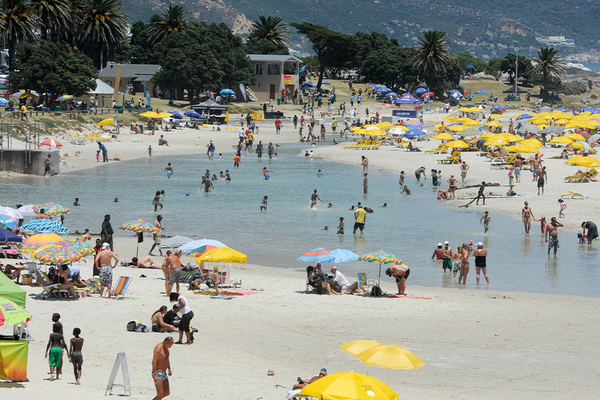
As summer approaches, the NSRI is preparing not only for the usual increase in activity on South Africa’s waters, but for a season that could bring additional pressures.
The El Niño climate cycle is currently strengthening. While its most direct effects in South Africa are generally felt in summer-rainfall regions, the Western Cape is preparing for higher temperatures, increased fire risk and greater pressure on water resources.
For the NSRI, these conditions have implications that stretch from rescue stations and vessel maintenance to lifeguarding, drowning prevention and the safety of communities seeking relief from the heat.
NSRI Head of Operations, Charl Maritz, says the current outlook is being factored into summer-readiness planning, particularly following discussions with provincial disaster management officials in the Western Cape.
A hotter, drier summer is likely to bring several interconnected risks. Extreme heat and water insecurity are among the identified concerns, while a drier winter has compounded the risk of wildfires.
For rescue crews, another consideration is what happens when temperatures rise, and more people head for the water.
Stations are therefore preparing for a potentially busier drowning-in-progress season from the end of September. This includes checking crew and vessel availability, completing normal pre-season readiness work, coordinating with lifeguarding services and strengthening drowning-prevention messaging.
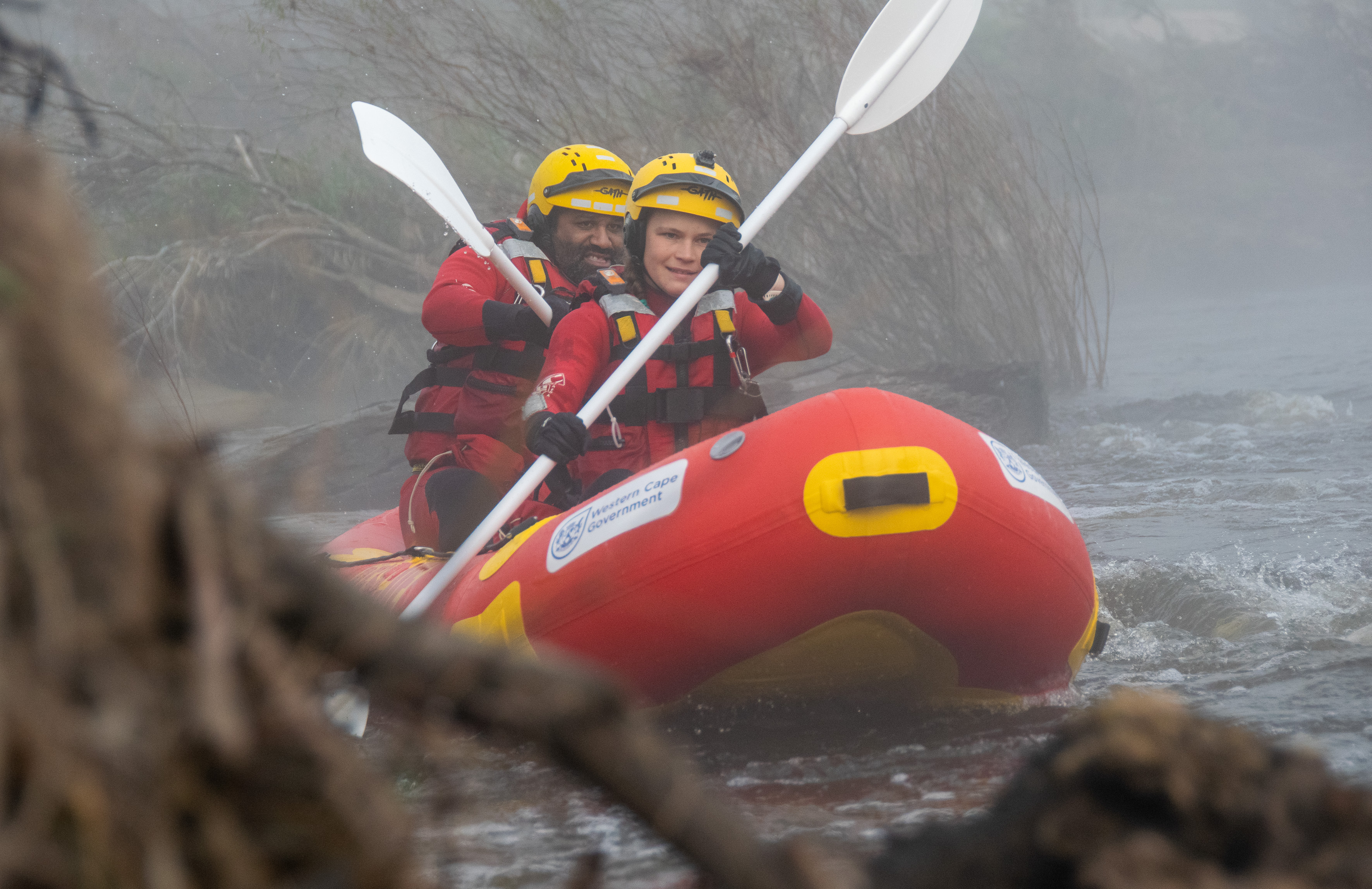
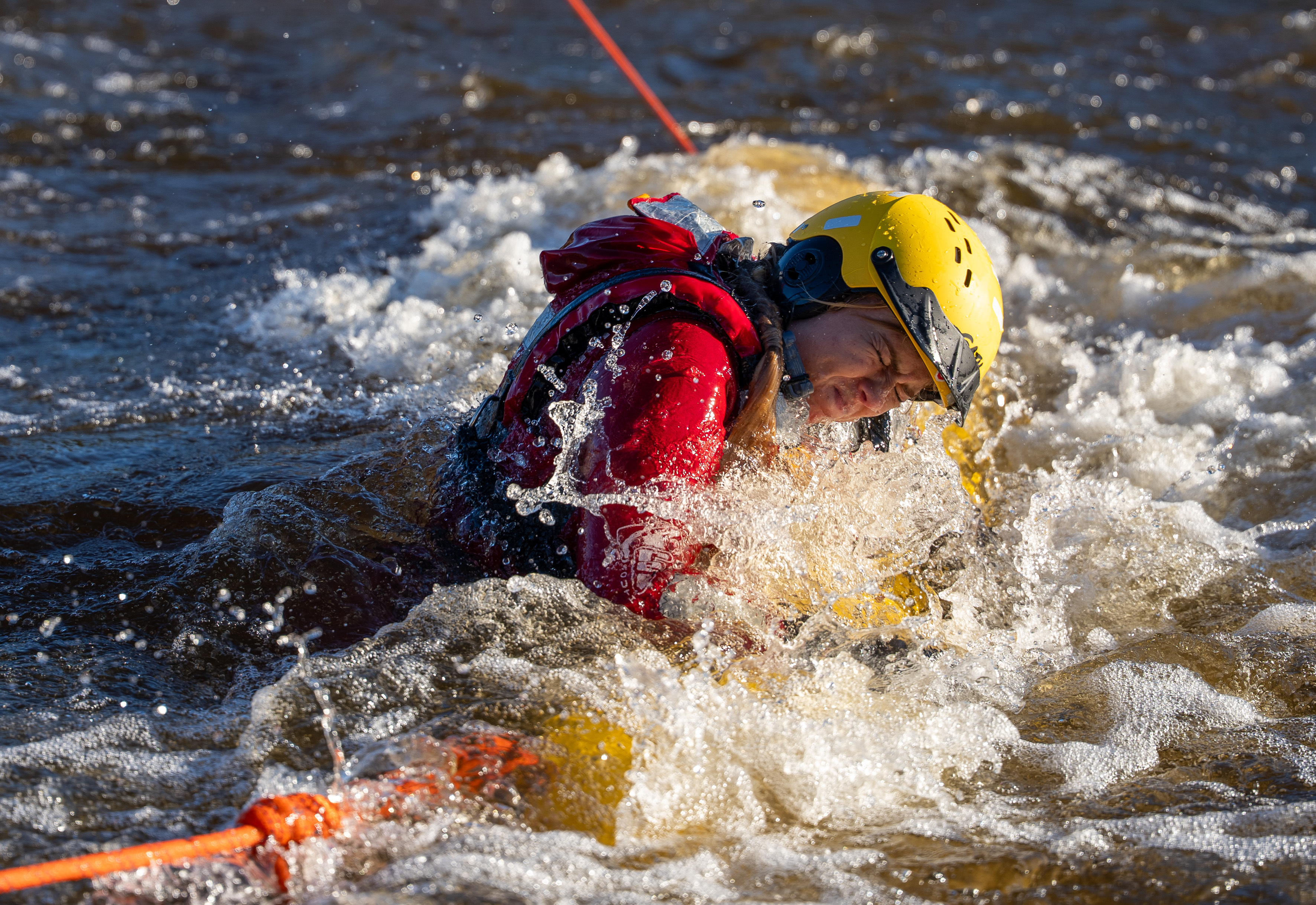
Preparedness also extends to increasingly unpredictable weather events. In July, NSRI volunteers and operational personnel completed specialist swiftwater rescue training, building their ability to operate safely and effectively in fast-moving water. With crews increasingly called on to assist during inland flooding, the training forms part of the NSRI’s broader effort to ensure teams are equipped for changing rescue environments.
Western Cape dam levels were reported in late August to be 5% lower than at the same time last year, adding urgency to efforts to use water responsibly.
NSRI Head of Fleet and Facilities Graeme Harding says this poses a distinct challenge because rescue vessels and equipment require fresh water for essential maintenance.
“It has a dire effect on us. We have to wash and flush boats every time they’re used to ensure they stay in top shape,” he adds. And, crew returning from cold, demanding rescues also need to be able to shower and wash their personal protective equipment.
The NSRI is therefore looking beyond simply cutting consumption. New station buildings incorporate rainwater-harvesting storage tanks, while some stations already have wellpoints or boreholes. The organisation is also investigating the feasibility of boreholes at other strategic bases.
Operations is meanwhile reviewing water-conscious procedures, including engine flushing, while ensuring that water-conservation efforts never compromise vessel safety or mechanical readiness.
Beyond rescue operations, hotter weather could change where and how people spend their time around water, with more families and children likely to seek out beaches, pools, rivers and dams to cool down.
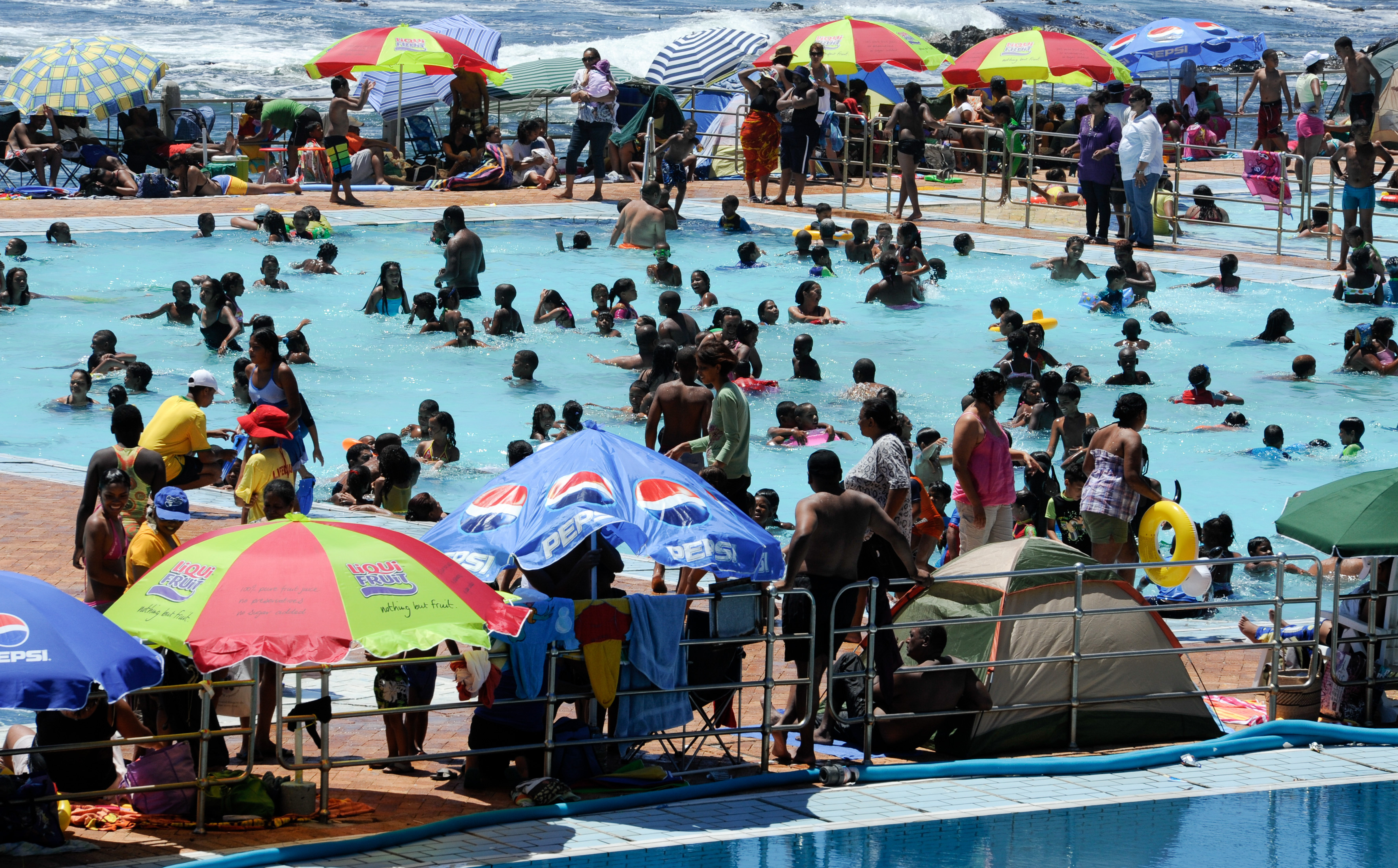
NSRI Community Programmes Manager Mthe Kweyama says this could increase the risk of drowning and place additional pressure on lifeguards, particularly at busy swimming spots.
For Community Programmes, this means adapting water-safety messaging to raise awareness of the conditions expected this summer, while continuing to reinforce familiar lessons around safe behaviour near water.
Families, too, can prepare. Parents and caregivers should be particularly vigilant about supervising children around water, especially at rivers, dams and other areas that may not have lifeguards.
A day spent swimming in hot weather also brings risks beyond drowning, including dehydration and heat exhaustion, while overcrowding at popular swimming areas can create additional hazards.
The changing climate means these considerations are becoming “standing planning considerations rather than once-off items,” Charl explains.
For the NSRI, seasonal preparedness now means focusing on water security at rescue stations, protecting crews working in extreme heat, anticipating changing recreation patterns around water, and ensuring rescue resources are ready when needed.
The conditions of the coming months cannot be known with certainty. What can be done, however, is to prepare early.

Looking Back at the Fleet Renewal Programme That Began with Alick Rennie
Read More
A gift celebrating a couple’s wedding anniversary. A tribute to a mother who quietly supported sea rescue. A husband’s thank you to the wife who helped him through recovery. These are some of the stories carried by Rescue 4, the ...

The National Sea Rescue Institute (NSRI) today announced the winner of its Monthly Giving draw and the winner of the second car in its 2026 Cars4Good competition, both held in support of the organisation's lifesaving work on South Africa's waters. ...

Melinda Snyman, NSRI St Lucia station commander, said: Shortly after 09h00, on Thursday morning, 8 October, a local fishing vessel capsized while attempting to launch through the surf at Cape Vidal, approximately 30 kilometres North of St Lucia. A S.T.A.R.T ...