


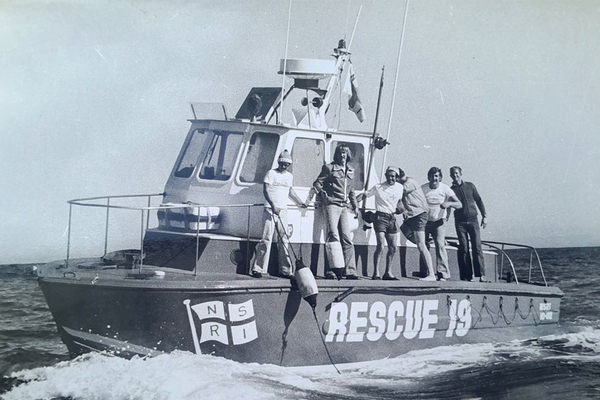
When a handful of enthusiastic local boaters began talking about the need for a sea rescue station in Richards Bay in the mid-1970s, they could hardly have imagined the legacy they were creating.
There was no rescue base, no dedicated rescue craft and no guarantee that the NSRI would establish a station in what was then a rapidly developing harbour.
What they did have was determination, practical experience on the water and a shared belief that the Zululand coast needed a permanent sea rescue service.
Fifty years later, NSRI Station 19 Richards Bay, stands as one of the organisation's most accomplished rescue stations, with generations of volunteers being built on the foundations laid by those early pioneers.
Founding member Michael Patterson traces the station's beginnings back to one simple ingredient.
"Enthusiasm – that is what started Station 19."
Together with Colin Lawrence, Mark Austin, Kelvin Thomas and Steven Bentley, Michael campaigned for an NSRI station as the Port of Richards Bay prepared to open in 1976. The fledgling team was told they would need a committee, a boathouse and a slipway before a sea rescue station could become a reality.
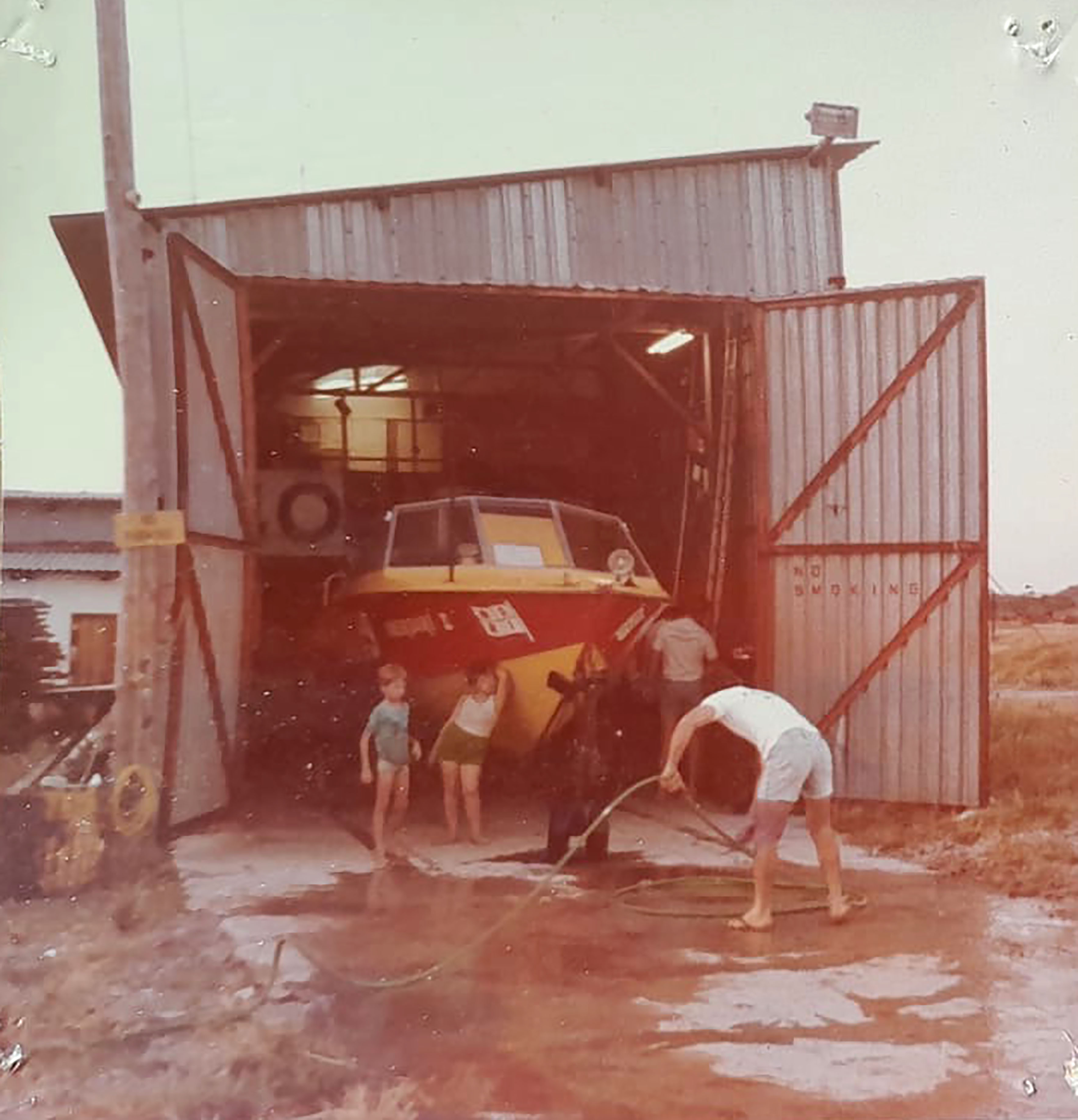
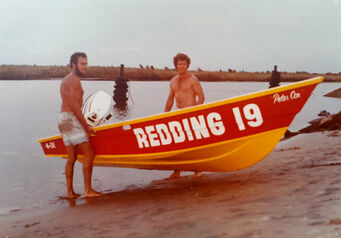
Through persistence and community support, they secured a donated steel-framed boathouse, assembled a committee and convinced NSRI headquarters that Richards Bay was ready. Their first rescue craft, the eight-metre Aberdare, arrived from Gqeberha and was painstakingly refurbished by the local crew before entering service.
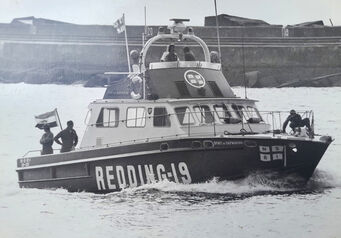
Within weeks, the new station had already demonstrated its value, carrying out daring rescues in severe conditions that convinced the NSRI a larger offshore rescue vessel was needed.
As Richards Bay developed into one of Africa's busiest deep-water ports, Station 19 evolved alongside it.
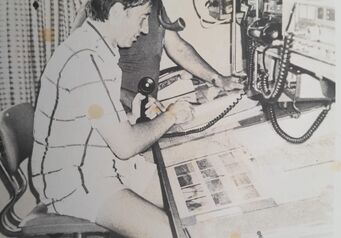
Early volunteers regularly undertook rescues covering enormous distances, responding to incidents from the Tugela River in the south to the Mozambique border in the north. Communications were primitive by modern standards, often relying on crew members driving to high vantage points to relay radio messages back to the base.
And so, the station became known for innovation.
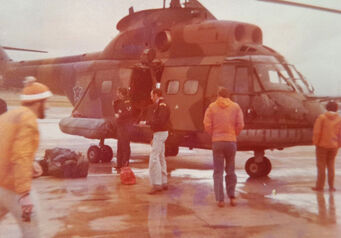
Its volunteers helped pioneer several operational practices that would later become standard across the NSRI, including the use of rigid inflatable rescue boats, rescue vehicles, closer cooperation with surf lifesaving clubs a nd helicopter rescue procedures. Some crew members even spent Friday evenings working alongside doctors at Empangeni Hospital to develop medical skills that could be applied during rescues.
Recognising the importance of developing future volunteers, the station even established one of the NSRI's earliest youth programmes, introducing children to seamanship, first aid and rescue training. One of those young participants was future NSRI leader Mark Hughes.
NSRI CEO Mike Vonk says Station 19's history reflects the enduring strength of the organisation's volunteer model.
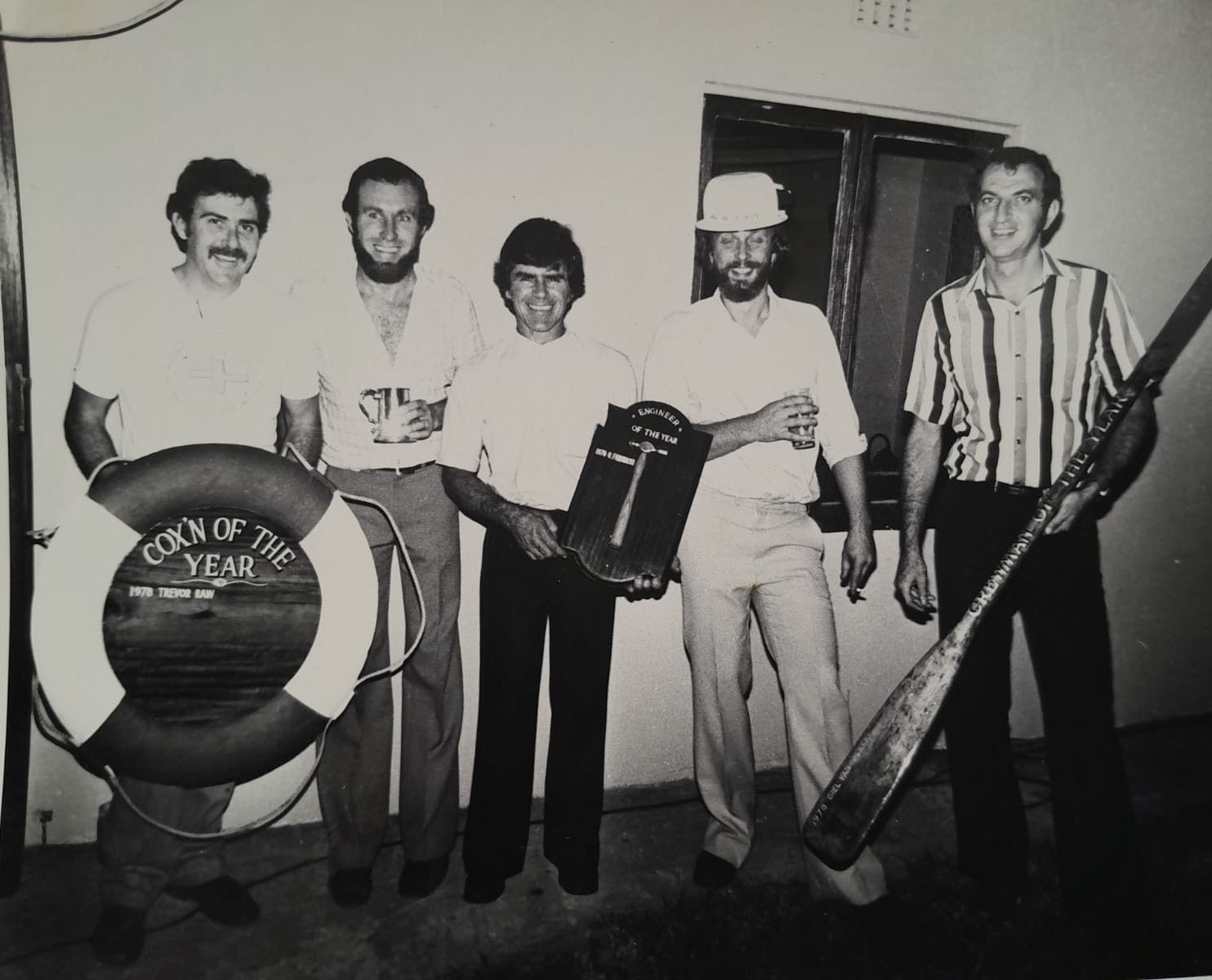
"Station 19 was founded on nothing more than a handful of committed locals, a tin boat shed, and a six-metre Robcraft borrowed from Gqeberha. Half a century later, it operates a 14.8-metre Offshore Rescue Craft from a purpose-built base, without ever having stopped serving its coastline."
Over five decades, Station 19 has responded to countless emergencies, many of them in challenging conditions far from shore.
Among its defining operations were locating four fishermen who survived for 22 hours on an overturned ski boat, towing a stranded South African fishing vessel from near the Mozambique border, assisting during devastating cyclone flooding that left hundreds stranded, and preparing to deploy to the Oceanos disaster.
One of the station's most remarkable rescues came during the 55-hour mission to rescue ten crew members from the fishing trawler Jolly Dolphin. Later years saw successful rescues involving commercial vessels, including the grounding of the Petingo and the tow of the Sea Express II during severe weather.
For Michael, however, the greatest achievement extends beyond individual rescues.
Reflecting on five decades of service, he believes the station helped shape a stronger culture of boating safety throughout the region.
"I think we've taught the ski boating world to be a little more careful."
The station itself is also a testament to the volunteer spirit.
When the original facility became too small, crew members constructed a new brick rescue base largely by hand after finishing their regular jobs each day, using donated materials and working into the night under vehicle headlights.
That community support has remained a defining feature of Station 19 throughout its history, with volunteers, local businesses and families all playing a part in keeping the station operational.
As Mike notes, every rescue tells only part of the story.
"Behind every one of those years sits a volunteer who chose to answer a call at three in the morning instead of staying in bed, and a family who supported that choice."
Today's Station 19 is equipped with modern rescue craft, advanced communications and highly trained volunteer crews capable of responding to increasingly complex maritime emergencies, including medical evacuations from commercial ships and large-scale search-and-rescue operations.
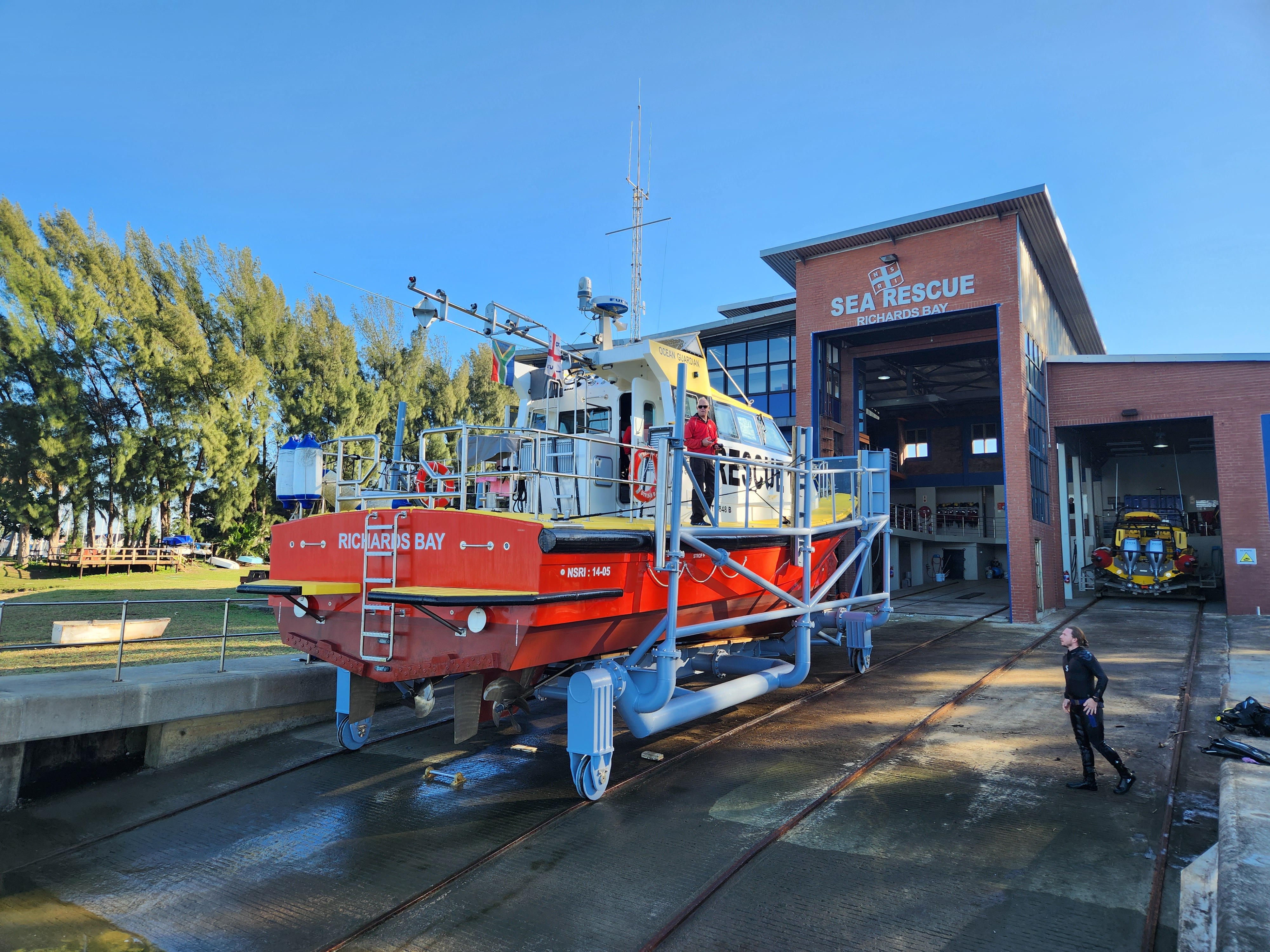
Yet its purpose remains exactly as it was half a century ago: ordinary people volunteering their time, skills and commitment to save lives.
As Station 19 celebrates its golden anniversary, it is not simply marking the passage of time. It is celebrating five decades of courage, innovation, community spirit and unwavering service along South Africa's east coast – and ensuring that the legacy built by those first volunteers continues for generations to come.

NSRI Shares Expertise and Learns from African Maritime Partners in Ghana
Read More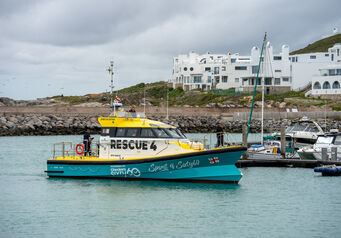
A gift celebrating a couple’s wedding anniversary. A tribute to a mother who quietly supported sea rescue. A husband’s thank you to the wife who helped him through recovery. These are some of the stories carried by Rescue 4, the ...
The National Sea Rescue Institute (NSRI) today announced the winner of its Monthly Giving draw and the winner of the second car in its 2026 Cars4Good competition, both held in support of the organisation's lifesaving work on South Africa's waters. ...

Melinda Snyman, NSRI St Lucia station commander, said: Shortly after 09h00, on Thursday morning, 8 October, a local fishing vessel capsized while attempting to launch through the surf at Cape Vidal, approximately 30 kilometres North of St Lucia. A S.T.A.R.T ...