


South Africa’s diverse landscapes offer some of the most beautiful hiking trails in the world – but they also present serious risks for those who set out unprepared.
Whether trekking the famed Otter Trail or enjoying a walk through the forests near Knysna, a safe hike starts long before your boots hit the ground.
The Otter Trail, for example, is a five-day coastal hike with no cellphone signal, rustic accommodation, and challenging terrain. It requires hikers to carry all their own gear and navigate boulders, coastal cliffs, and the notorious Bloukrans River crossing. Despite its breath-taking beauty, the trail is often underestimated by novices, leading to exhaustion, injury, and sometimes the need for rescue.
Station Commander Jaco Kruger of Station 14 in Plettenberg Bay explains that nearly half of their annual callouts involve injured hikers on the Robberg Peninsula. “Most injuries are due to slips, twisted ankles, or heat exhaustion,” he says. “Preparation is key. Know the route, wear the right shoes, take enough water, and don’t underestimate the sun or your own fitness levels.”
NSRI stations are specially equipped to handle these emergencies. At Station 14, for instance, their fleet includes award-winning flotation stretchers designed for rocky coastal rescues. Crews train regularly to carry out extractions with or without helicopter support, often working hand-in-hand with SANParks, rangers, and other emergency services.

Knysna’s Station 12 is another example of NSRI’s land-water rescue adaptability. Senior crew member Declan Nurse notes that hikers on coastal reserves like Featherbed sometimes require extraction by boat. “Most incidents are either dehydration or injuries like sprained ankles. Many visitors underestimate the heat and terrain,” he says. “We’re often the first point of contact for tour guides and coordinate with emergency services to ensure a swift response.”
Simon’s Town Station Commander Simon McDonnell recently oversaw the successful evacuation of a hiker from Cape Point using a Stokes basket stretcher. The patient, injured on a remote hillside, was safely transported with assistance from Cape Medical Response and Fire & Rescue Services.
To stay safe, always let someone know your plans and estimated return time. Download the NSRI SafeTrx app, which allows you to share your route and check in along the way – vital information in an emergency.
Whether you’re heading out for an afternoon walk or a multi-day trek, the NSRI urges hikers to respect the trails, know their limits, and prioritise safety. Nature is awe-inspiring, but it’s also unforgiving to those who aren’t prepared.
Click here to download the SafeTrx app.

When inland waters rise, NSRI teams respond swiftly
Read More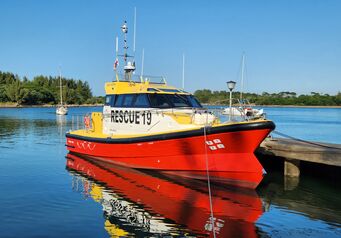
Norman Rautenbach, NSRI Richards Bay station commander, said: At 14h29, Monday, 19 October, NSRI Richards Bay duty crew were placed on alert to prepare for a maritime medical evacuation operation for 3 male seafarers injured onboard a 292-meter bulk carrier ...

A 48-year-old man from Belgium is expected to be discharged from hospital today after a non-fatal drowning incident at a remote beach between Brenton-on-Sea and Buffalo Bay on Monday afternoon. The man, on a cycling holiday with his family, is ...

On Saturday morning, NSRI Port Nolloth volunteers on a routine training exercise responded when a local mining vessel raised concern for three of her crew who had gone ashore on their RHIB (rigid hull inflatable boat) and not been heard ...