


 A full-time jobShane shares a little-known fact: most drownings occur inland, not at sea. “Not necessarily at dams, but often during flash floods, etc. We also sometimes assist in non-water-related rescues. And we don’t just service the dam, but the entire Overberg inland water area.”When asked how this works with a full-time job and what happens if you get a callout in the middle of an important meeting, Shane shrugged and said, “You just say sorry, and you go. People are actually very understanding. It’s about saving lives, after all.”He admits it’s a big commitment. “I am fortunate to have a very understanding and supportive family. And my son is on my crew. But my own yacht hasn’t seen water in about four years now, I don’t have time!”He points out that, while there are certain advantages to being a relatively new station (“We get to create our own culture, our own way of doing things”), Memorable rescues“We had a crisis during the SAS Youth National Youth Yacht Championship in December 2019,” says Shane. “A gale kicked up out of nowhere, from 0 to 48 knots, in a matter of minutes.”The crew had their work cut out for them as many of the competitors, aged 7 to 17, could not get back to shore. Some ended up in the water, a boat ‘cartwheeled’ across the surface… They had to act decisively under chaotic conditions.“Navigating that incident was intense. I had to stay calm, in charge. Be incredibly careful while manoeuvering in the water. It was total chaos. Fortunately, there were no fatalities or serious injuries.”
 Future plans“I’d really love to grow the station,” says Shane, “and expand the crew. Refurbish our offices. Make it look really professional. It would also be excellent to have a JetRIB. These rescue boats don’t have propellers, they’re jet-propelled, so there’s little risk of injuring anyone in the water. Plus they are super-fast and able to navigate challenging conditions. Every second counts when someone’s life is in danger.”If you’d like to make a contribution to the station’s running costs or make a donation towards training aids or a JetRIB, please email station38@searescue.org.zaFor more articles on our inland stationshttps://www.nsri.org.za/2020/11/more-about-nsris-inland-bases-station-22-vaal-dam/https://www.nsri.org.za/2020/10/discover-the-nsris-inland-bases-witbank-station-35/https://www.nsri.org.za/2021/01/discover-the-nsris-inland-bases-gauteng-station-27/


Heroic teens rescue drowning girl
Read More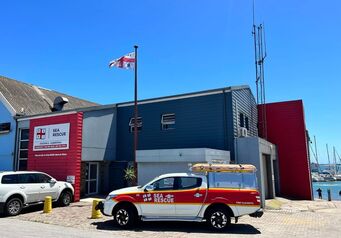
NSRI Gqeberha crew assisted EMS in treating a fisherman who fell ill aboard a Chokka fishing boat off Port Elizabeth last night, ensuring he received urgent medical care and a safe transfer to hospital. ...
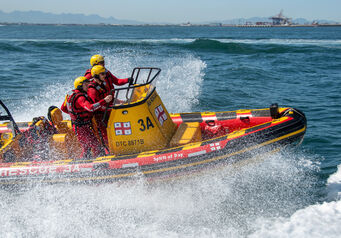
The National Sea Rescue Institute (NSRI) encourages South Africans to use National Wills Week, from 14 to 18 September 2026, to draft or update their wills and consider leaving a legacy gift that will help save lives for generations to come. ...
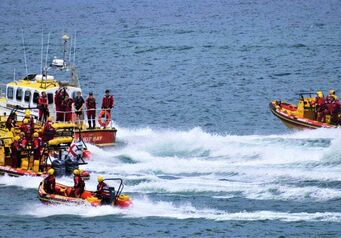
National Sea Rescue Institute (NSRI) Hout Bay volunteer crew recovered a Hout Bay Yacht Club (HBYC) racing buoy at sea on Saturday, 5 September, after it broke free from its mooring and was swept out into Hout Bay in gale ...