


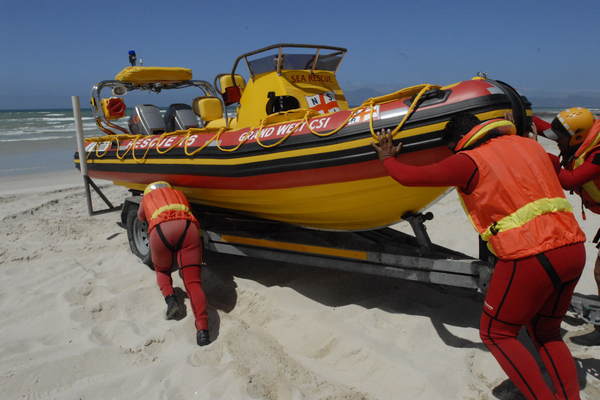
 NSRI is urging bathers, surfers and paddlers along the False Bay coastline, predominantly between Macassar and Fish Hoek, to be aware of increased White Shark activity.Shark researchers are again noticing the annual trend, where White Shark activity shifts away from Seal Island and moves inshore along the coastline.The major increase in White Shark inshore activity appears to concentrate between Macassar and Strandfontein but patrolling White Sharks frequently visit the Fish Hoek bay and further.This is an advisory for bathers, surfers and paddlers in False Bay to be cautious and to be aware of this phenomenon.Shark research shows a trend in White Sharks moving from around Seal Island after seasonal hunting Cape Fur Seal during August, to close in-shore along the False Bay Coast in search of fish, sharks and rays which occur in this habitat.Researchers are also advising caution around Southern Right Whales, where increased White Shark activity is recorded, possibly indicating White Sharks hunting whale calves, after birth or still born calves.Researchers are also advising avoiding surfing/swimming where Slide Bait fishermen are sliding large baits into the surf to catch sharks as this form of fishing is believed to attract increased shark activity.Bathers along the popular bathing and surfing beaches between Muizenberg and Fish Hoek should adhere to the shark spotters sirens and leave the water when the sirens are activated.See below for the CITY OF CAPE TOWN MEDIA RELEASE 29 August 2011 INSHORE MOVEMENT OF SHARKS: SAFTEY FOR THE SUMMER SEASONThe City of Cape Town would once again like to remind all beach and ocean users that we are approaching the time of year when we expect to see a seasonal increase in the presence of white sharks in the in-shore area.This seasonal change is not unique to False Bay or recent in its occurrence. Similar behaviour is recorded in Gansbaai, Mossel Bay and even California.Shark sightings recorded by the shark spotters has consistently shown a seasonal peak in shark sightings during the period from August to March, peaking in mid-summer. Typically shark sightings start in late August. However, shark spotters and water users have recorded early sightings in the last two weeks in Muizenberg, St. James and Clovelly.White shark research trips over the weekend recorded a significant drop in shark activity at Seal Island, indicative of the seasonal move of sharks away from the island to the in-shore areas. The City is therefore appealing to all beach and ocean users to be aware of these recent sightings and the expected increase in shark presence in the in-shore area over the summer months.
 Analysis of the shark spotter’s data from the two beaches with the highest number of shark sightings, namely Muizenberg and Fish Hoek, reveals that most (over 65% of sightings) sharks are observed swimming behind the breakers traveling in a directional pattern from one side of the beach to another, parallel to the shore.Alison Kock of Save our Seas Foundation says: “This suggests that in most cases sharks are simply swimming past these beaches on their way to another location and we recommend that water users in areas of high shark activity limit the amount of time they spend behind the breakers far away from shore.”The data has also shown that in the event of a whale stranding, shark sightings increase significantly at adjacent beaches, and shark sightings may persist for up to a week after the stranding. Where there has been a whale stranding the City will close relevant beaches and the community is asked to understand this precautionary approach.Kayakers and surfskiiers are specifically asked to be cautious of the area between Sunnycove and Glencairn Beach and swimmers are urged not to use the water off Jaegers Walk in Fish Hoek as this is considered a high risk area. The City has erected warning signs along Jaegers Walk and people are asked to adhere to these high risk signs.Surfers are asked to be especially vigilant in the areas between Sunrise Beach and Strandfontein and again in the Macassar Beach area during the summer months.People are encouraged to use areas where shark spotters are on duty and to take the time to speak to the shark spotters on the day they visit the beach to find out about recent sightings and activity as well as the current conditions which determine the effectiveness for shark spotting. People are also please requested to take the time to read the shark spotting signs to inform themselves of the four flag warning system used, as well as be aware of the use of a siren to close the beach.People are reminded that white sharks are present in our waters all year round and that they should be aware of the small possibility of encountering one of these animals at any time, and should always remain vigilant when using the ocean.Shark Spotting Programmes are operational at the following areas:Summer (September to April):Muizenberg corner: 7 days a week from 8am to 7pmSt James: 7 days a week from 8am to 7pmFish Hoek: 7 days a week from 8am to 6:45pmNoordhoek (The Hoek): 7 days a week from 8am to7 pmClovelly: Weekends, public & school holidays 8am to 4pmGlencairn: Weekends, public & school holidays 8am to7 pmWinter (May to August):Muizenberg corner: 7 days a week from 8am to6 pmSt James: 7 days a week from 8am to 6pmFish Hoek: 7 days a week from 8am to 6pmNoordhoek (The Hoek): 7 days a week from 8am to 6pmShark safety tips:People are reminded that no safety measure is 100% effective and that although the Shark Spotting Programme has been successful, it in itself is not 100% effective and remains vulnerable to human error, weather conditions and water quality issues. The following tips can help reduce the risk of attack even further:· Do not swim, surf or surfski when birds, dolphins or seals are feeding nearby· Do not swim, surf or surfski near areas where trek-netting, fishing or spear fishing is taking place· Do not swim in deep water beyond the breakers· Do not swim if you are bleeding· Do not swim near river mouths· Do not swim, surf or surfski at night· Do not swim, surf or surfski if there has been a cetacean (whales, dolphins or porpoises) stranding nearby· If a shark has recently been sighted in an area where no shark spotters are present, consider using another beach for the day· First time visitors to beach areas should ask the local law enforcement official, life guards or locals about the area· Obey beach officials if told to leave the water· For those people kayaking or surfskiing far out to the sea, consider paddling in groups and staying close together (in a diamond shape)· Consider using a personal shark shield when you go surfing or kayaking· Pay attention to any shark signage on beachesFor more information on the latest shark sightings and research visit: www.sharkspotters.org.za and www.saveourseas.comThe public are encouraged to report any sightings of White Sharks to the Shark Spotting Programme through their website.

RIP Ray Farnham
Read More
A 48-year-old man from Belgium is expected to be discharged from hospital today after a non-fatal drowning incident at a remote beach between Brenton-on-Sea and Buffalo Bay on Monday afternoon. The man, on a cycling holiday with his family, is ...

On Saturday morning, NSRI Port Nolloth volunteers on a routine training exercise responded when a local mining vessel raised concern for three of her crew who had gone ashore on their RHIB (rigid hull inflatable boat) and not been heard ...

NSRI Plettenberg Bay duty crew were activated following a request for medical assistance from a group of hikers reporting a female in their group suffering an injury and unable to continue on the walk. ...