



Every donation to the NSRI begins with trust. Whether you support a rescue station, contribute to a fundraising campaign, or make a regular donation, you trust that your contribution will reach us and help save lives.
As cybercrime becomes increasingly sophisticated, protecting our donors also means helping them recognise when a message or request may not genuinely come from the NSRI.
With this in mind, there is one important message we would like every supporter to remember: the NSRI will never notify you of a change to our banking details by email or ask you to make a payment into a different account without independent verification.
Phishing and impersonation scams work because criminals attempt to make a message appear to come from someone you trust. The South African Police Service (SAPS) warns that fraudulent communications can be designed to obtain personal or financial information through fake websites or seemingly legitimate requests.
That is why one of the simplest defences is also one of the most useful: pause, check and verify.
If you receive an unexpected email or text claiming to be from the NSRI, asking you to use different banking details, do not make the payment or respond. Avoid clicking links or opening attachments, and check the sender’s full email address carefully.
If you are still unsure, contact the NSRI independently using the details on our official website – not a telephone number, email address or link supplied in the suspicious message.
Taking a moment to verify a request through a separate, trusted channel can help prevent a fraudulent payment or the disclosure of sensitive information.
Importantly, this reminder is a proactive precaution and is not being issued in response to any known security incident involving NSRI donors.
When you donate, make a purchase, or interact with the NSRI online, you may be asked to provide personal information needed to process your donation or transaction and communicate with you.
The NSRI’s Privacy Policy explains how this information is collected, used and protected. The NSRI collects personal information only for a relevant purpose and will not sell, trade, or lease your personal data to third parties.
It also outlines the measures taken to protect personal information from loss, misuse, unauthorised disclosure, alteration or destruction, as well as your rights to request access to your personal information or have it corrected, updated or deleted.
To find out more about what information the NSRI collects and how it is handled, you can read our full Privacy Policy here.
If you believe you have fallen victim to cybercrime and your financial information or a payment may have been compromised, contact your bank immediately.
SAPS advises victims of crime to report the matter at their nearest police station; 10111 should be used for police emergencies. Suspicious messages claiming to come from the NSRI should also be reported to us.
By staying alert and verifying unexpected requests, we can help ensure your support goes where it is intended: saving lives.

Photo of the Month: August 2026
Read More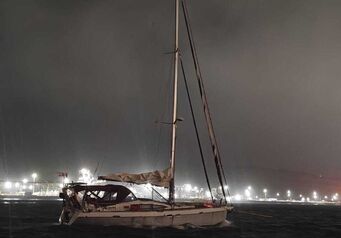
With a strong South Westerly buster forecast and heavy weather closing in, NSRI Durban crew towed a 14-meter French sailing yacht into the Port of Durban on Tuesday, 6 October, bringing a French couple safely alongside before conditions deteriorated. ...

Emergency services, including NSRI Bakoven, responded to a drowning at Camps Bay tidal pool on Monday, 5 October. Sadly, an eight-year-old boy could not be resuscitated. ...

NSRI crews from Jeffreys Bay and Gqeberha joined emergency services at the Kouga River near Patensie on Sunday afternoon to help evacuate an injured woman across the swollen river. ...