


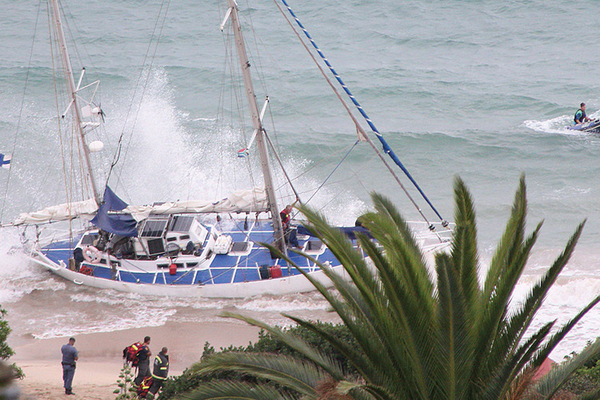
The NSRI Mossel Bay duty crew demonstrated exceptional teamwork and coordination on 21 January when responding to a stranded sailing yacht at Santos Beach, Mossel Bay.
This operation underscored the importance of collaboration between multiple organisations and highlighted the intricate challenges of towing a yacht.
The NSRI's success in complex rescue operations depends on seamless cooperation with various agencies. This instance included TNPA (Transnet National Ports Authority), Police Sea Borderline Control, Mossel Bay Fire and Rescue Services, and The Skippers Foundation of Mossel Bay. Each organisation played a crucial role in ensuring the safety of those at sea. "The Skippers Foundation of Mossel Bay specialises in sailing. They have sailors with superb experience and skills relating specifically to sailing vessels, and hence their knowledge of these types of vessels is a welcome skill set in operations like these," explained NSRI Station Commander JC Roos.
Towing a yacht presents unique challenges, particularly in adverse conditions. One of the foremost concerns is ensuring the safety of both the crew and the vessel. "Risk is ever present in a rescue situation like this," JC noted. "The vessel moving and possibly landing on the crew, vessels working in the surf line, ropes parting, or ropes getting caught in props are all hazards." Gathering detailed information about the vessel – including its length, weight, keel design, and anchor deployment – is critical to making informed decisions during the rescue.
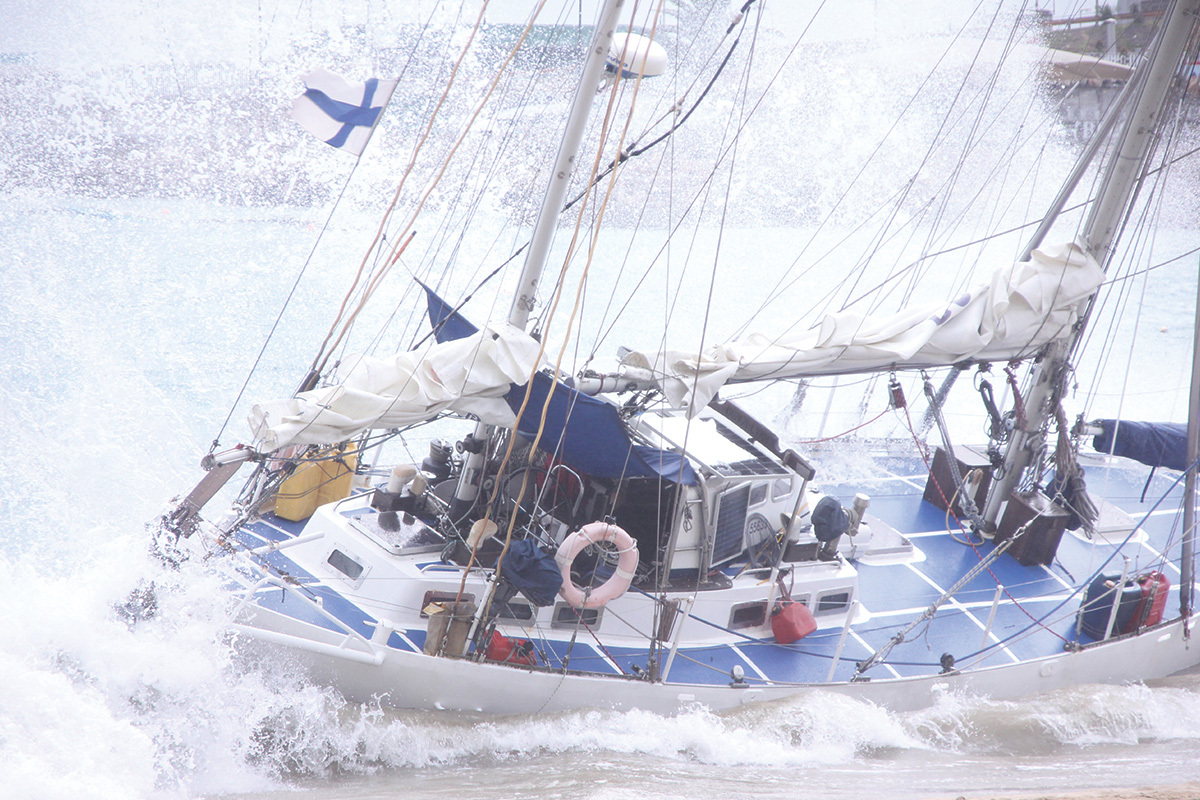
Timing is also a crucial factor. To maximize their efforts, the NSRI crew must work with natural variables such as sea swells and tides. "Training, training, and training. Train as you rescue and rescue as you train," emphasised JC when it comes to conducting rescues such as this one. The team strategically planned their towing efforts to coincide with high tide, which provided the best chance of success. However, sometimes, the crew must wait for the next high tide if conditions are not favourable.
Despite their best efforts, smaller rescue vessels often lack the power to move larger yachts effectively. This is where collaboration with external agencies, such as TNPA's harbour tug Arctic Tern, becomes essential. "Our vessel just did not have sufficient engine power to move the yacht from the beach to deeper water," NSRI duty coxswain Andre Fraser admitted. The Arctic Tern's involvement was instrumental in finally freeing the yacht and ensuring it was safely towed to a mooring.
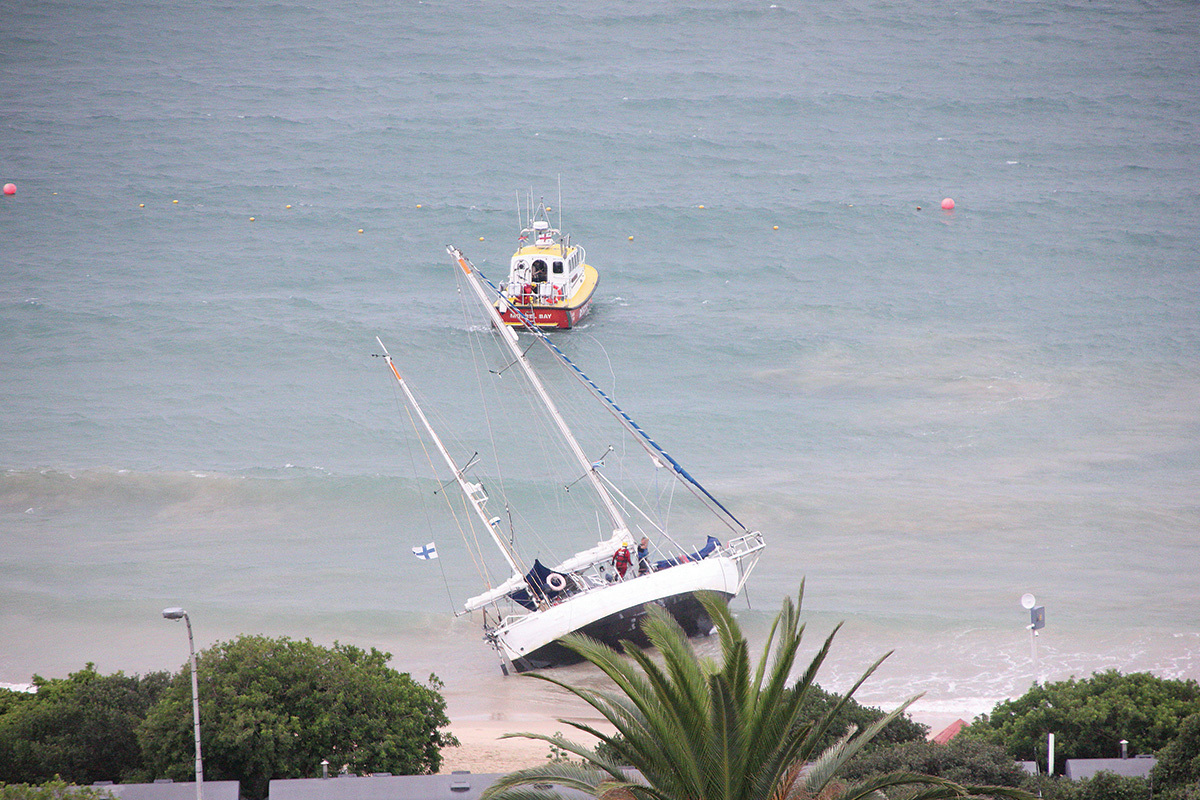
Once a yacht is towed to safety, additional steps are taken to prevent further incidents. The NSRI ensures proper mooring with multiple lines and arranges for hull inspections. "We always leave our contact details with the casualties," Roos added, reinforcing the NSRI's ongoing commitment to maritime safety.
The NSRI's tireless efforts, rigorous training, and strong partnerships with other organisations make challenging rescues possible. Their ability to adapt, coordinate, and execute operations in high-risk environments ensures that both sailors and their vessels receive the best possible assistance.

Capturing courage: The NSRI Photo of the Month initiative
Read More
Norman Rautenbach, NSRI Richards Bay station commander, said: At 14h29, Monday, 19 October, NSRI Richards Bay duty crew were placed on alert to prepare for a maritime medical evacuation operation for 3 male seafarers injured onboard a 292-meter bulk carrier ...

A 48-year-old man from Belgium is expected to be discharged from hospital today after a non-fatal drowning incident at a remote beach between Brenton-on-Sea and Buffalo Bay on Monday afternoon. The man, on a cycling holiday with his family, is ...

On Saturday morning, NSRI Port Nolloth volunteers on a routine training exercise responded when a local mining vessel raised concern for three of her crew who had gone ashore on their RHIB (rigid hull inflatable boat) and not been heard ...