


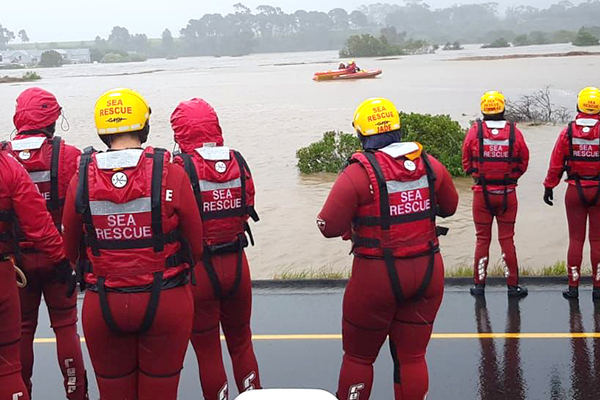
The Western Cape experienced widespread flooding towards the end of September: lives and homes were lost. Here, a few of the NSRI volunteers who participated in the rescue effort reflect on the experience.
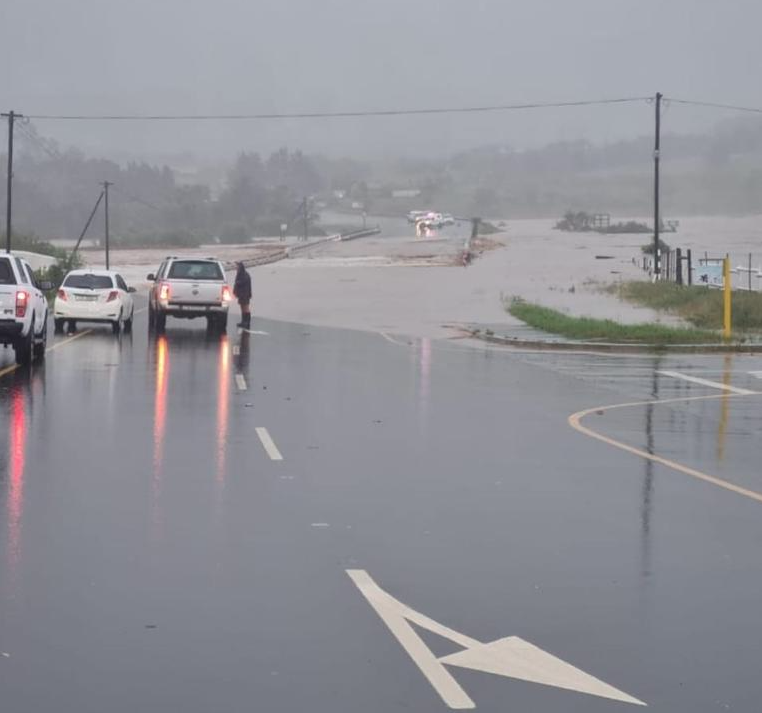
Heavy downpours in the Western Cape towards the end of September left a trail of destruction that resulted in widespread flooding, property damage, and disrupted the lives of countless locals. According to reports, more than 16 000 people and 7 100 informal structures were impacted, and the agricultural sector alone sustained damage to the value of R1,4 billion.
Of course, the NSRI doesn’t only operate at sea, and several stations in the Western Cape formed an integral part of the rescue efforts throughout the province, along with other official rescue services such as Traffic Services, SA Police Services, Disaster Risk Management, the Mayor's offices, WC Government Health EMS, Law Enforcement, Fire and Rescue Services, Community and neighbourhood groups and municipal authorities. In a letter of recognition from the Department of Cooperative Governance, Dr Elias Bongani Sithole, Head of the National Disaster Management Centre, acknowledged with appreciation the work done by NRSI during the floods, and thanked the Institute for its “constant commitment to disaster management and rescue operations in South Africa”.
We asked a few of the NSRI volunteers who participated in the rescue effort to reflect on the experience.
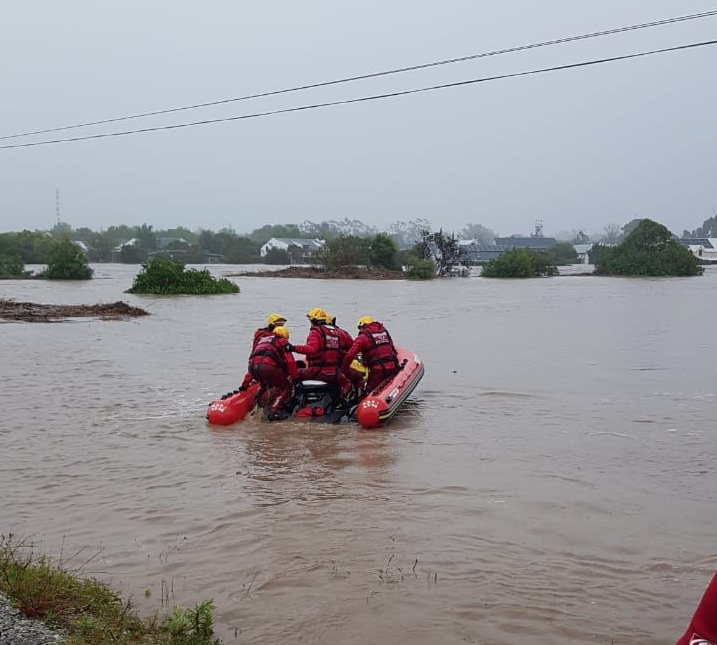
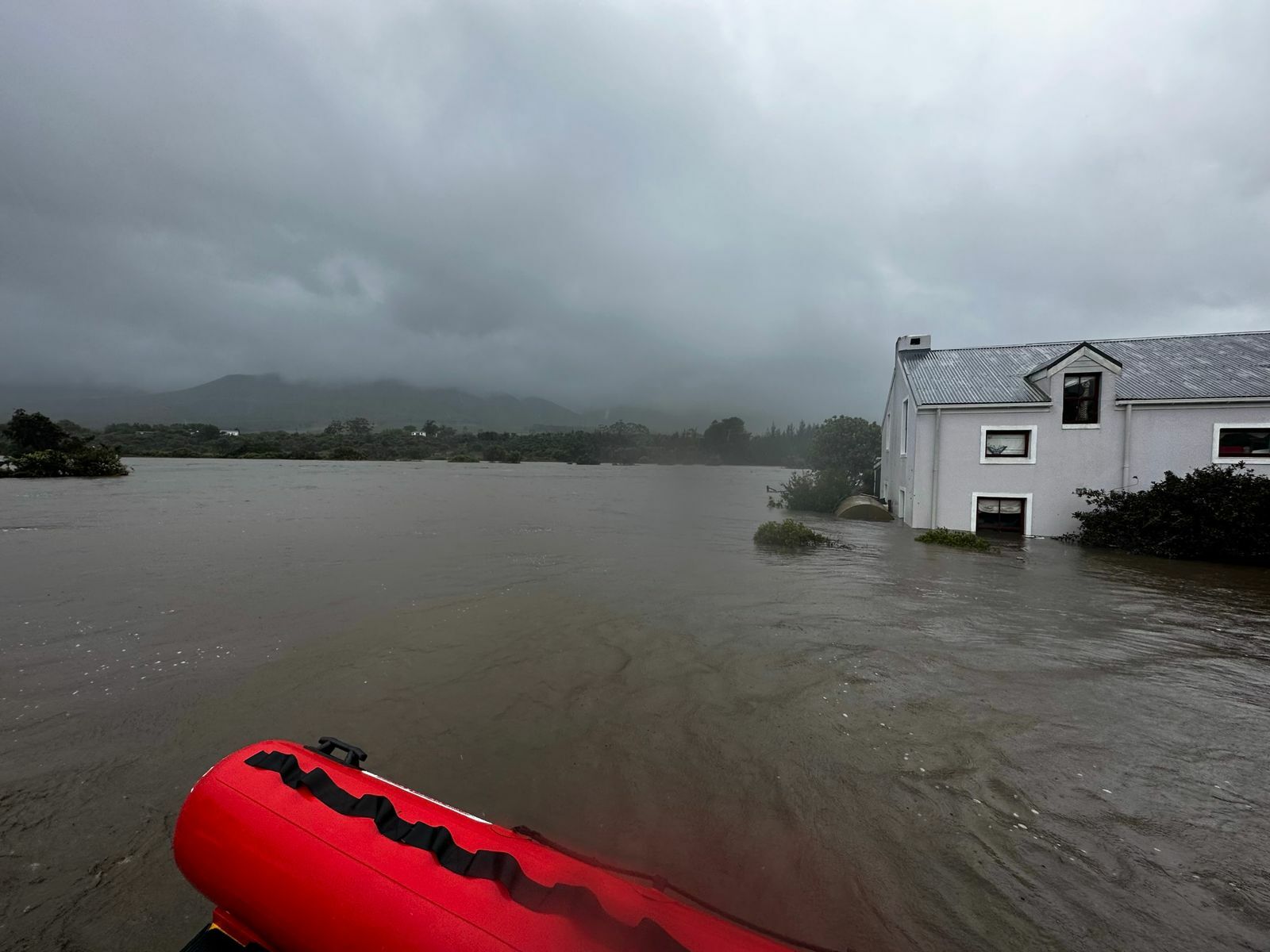
Station 17 Class 3 Coxswain Willem de Bruyn was one of the Station 17 crew who took part in rescue efforts in Stanford, a small village outside of Hermanus, where the Klein Rivier had burst its banks, flooding the small town. Both the Hermanus and Kleinmond crew activated just after 7am, were on the scene around 8am, and worked consistently all day. At least 46 residents – including adults, the elderly and children, a parrot and domestic animals – were safely evacuated from houses and buildings affected.
“We generally have more sea rescues and therefore our focus and training are on elements of the sea, with some speciality training for swift water rescues,” says Willem. “The sea is far less forgiving, but swift water incidents can be devastating. People who go to sea know there is an element of risk. These floods caught people off guard in their homes where they feel safe.
“Many emotions go through you. There’s the absolute joy of being able to help, of course. But it's tough to see people's homes and personal belongings destroyed. Things of sentimental value that are irreplaceable, damaged or swept away. People were fearful but looked out for each other.”
For Station 42 commander Schalk Boonzaaier, the ease with which the two stations – Hermanus and Kleinmond – worked together, was a testament to their long-standing collaboration and shared commitment to their mission. “We formulated a plan and then executed it like clockwork. Everything was coordinated – even working with so many other rescue services … it all came together in a successful operation.”
Nine days later, as Schalk drove past Stanford he saw a much more subdued river. Back close to its normal levels and littered with flood debris, he knew he’d seen the area from a completely different perspective. A village entirely submerged in flood waters was not a sight he’d soon forget.
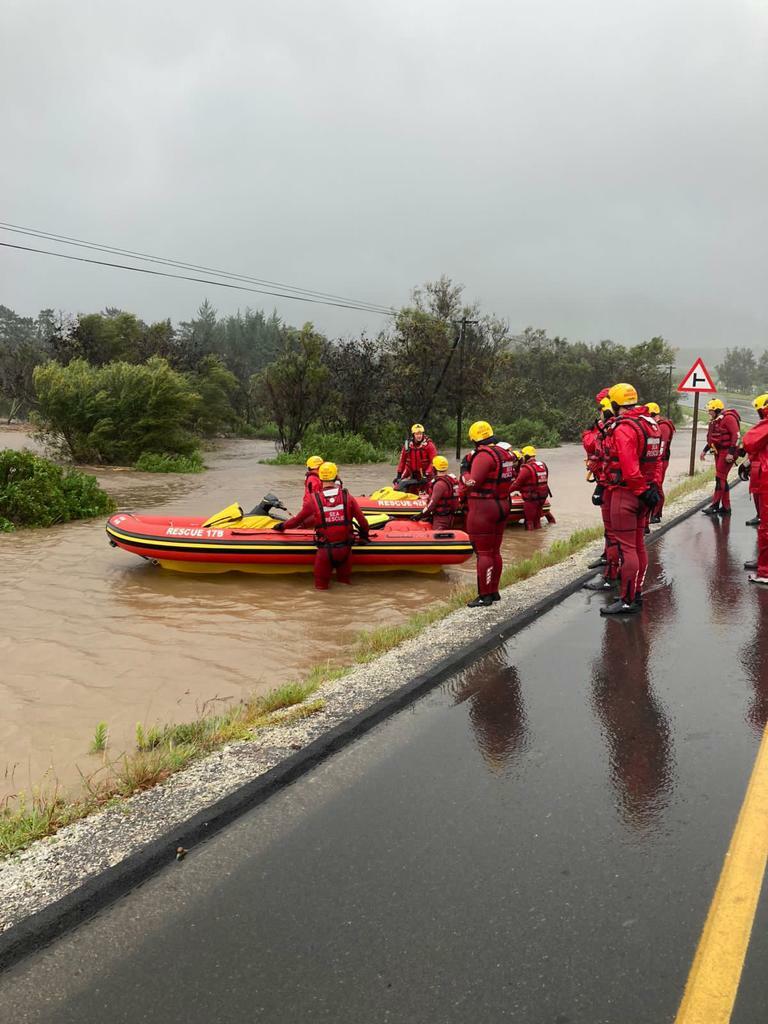
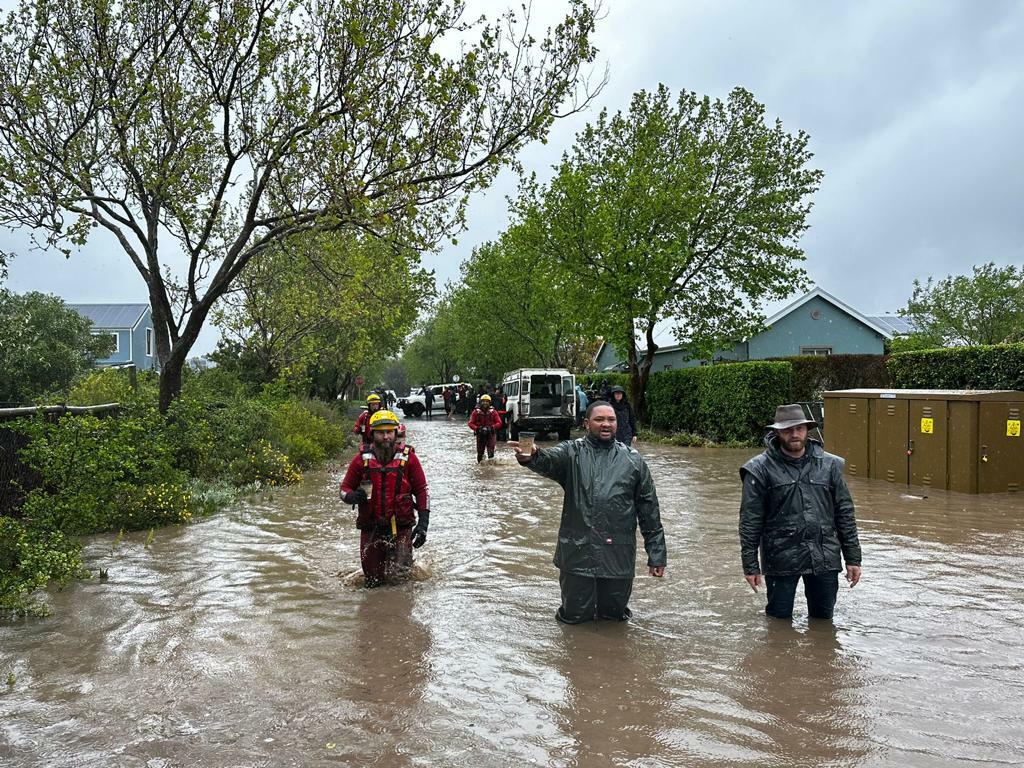
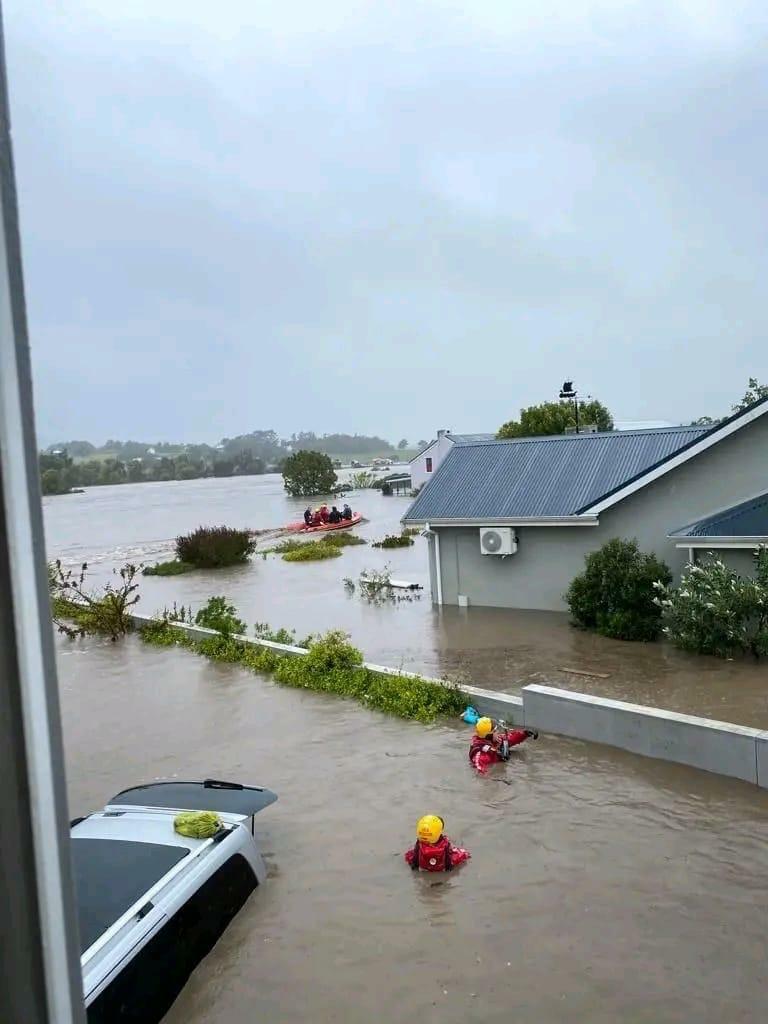
The NSRI’s Strandfontein crew was placed on alert to assist at Stanford, but were not mobilised. Instead, they were diverted to assist with rescue efforts in their own community of Sandvlei, Macassar, which turned into a 12-hour-long operation. Crew member Sam (Simphiwe) Rorwana shares his experiences.
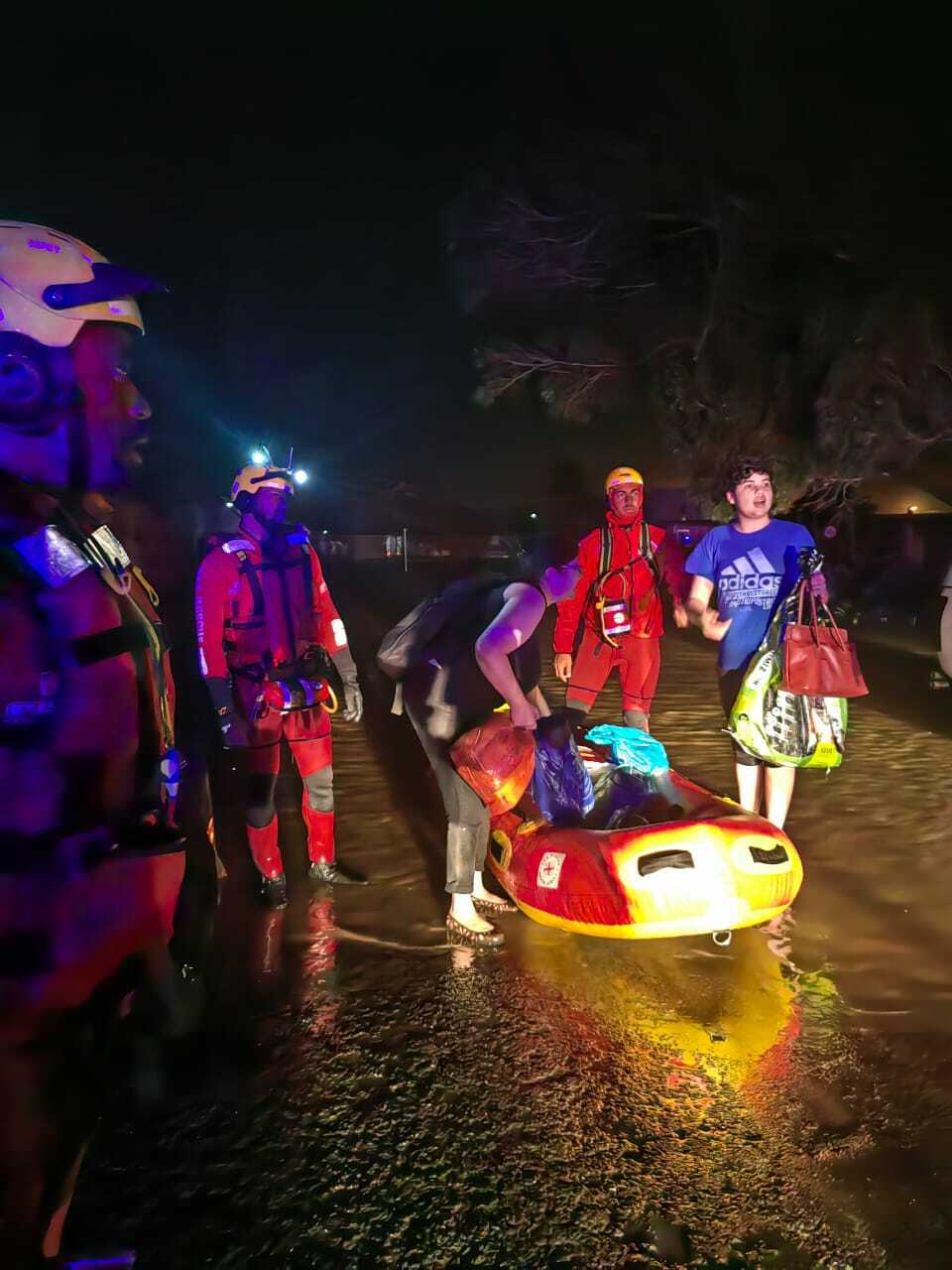
“It was such a blessing that our crew were fresh out of a swift-water training course only a week before we were called out to assist with the floods,” says Sam. “We were activated at 11am to standby to assist with flooding in Hermanus, and while preparing for that we found out that our own community in Sandvlei was being flooded; people were stranded in their own homes.
“The most amazing thing was coming together with the other services like SAPS, Law enforcement, Fire & Rescue, Disaster Management and the Ambulance services to work as one for the survival of the Sandvlei community and their animals. The JetRIB worked so well, proving why it won the innovation award for being so versatile operating in spaces that other rescue craft would not be suitable in.”

Base showcase: Station 30 (Agulhas)
Read More
Emergency services, including NSRI Bakoven, responded to a drowning at Camps Bay tidal pool on Monday, 5 October. Sadly, an eight-year-old boy could not be resuscitated. ...
NSRI crews from Jeffreys Bay and Gqeberha joined emergency services at the Kouga River near Patensie on Sunday afternoon to help evacuate an injured woman across the swollen river. ...
At 15h07, Saturday, 3 October, NSRI St Lucia duty crew were activated following reports of a drowning in progress at Cape Vidal Beach. ...